
Are you ready to explore the digital world and establish a strong online presence? Getting started may seem challenging at first, but building your brand online becomes much easier when you follow a clear, step-by-step approach.
Building a Strong Foundation for Digital Marketing
1. Establish a Clear Brand Identity
Before creating your online presence, take some time to understand your brand and what it represents. Consider these important questions:
- What is the mission of my brand?
- What problems does my business solve?
- Who is my ideal target audience?
- What makes my brand different from its competitors?
Your answers will help define your brand’s voice, appearance, and overall personality. Whether you are sharing informative content or promoting products, authenticity helps you build meaningful relationships with your audience. If you are planning to sell online courses, understanding online course pricing can also help you develop offers that provide value to potential learners.
2. Build Your Digital Presence
Your website and social media accounts work like a digital storefront. They help potential customers discover your business and learn more about your offerings. Here are some essential steps:
- Register a domain name that represents your brand. Choose something short, memorable, and easy to type. A domain name maker can help you explore creative domain ideas and find suitable options.
- Select a dependable web hosting provider. Platforms such as WordPress, Squarespace, and Wix offer convenient options for beginners.
- Create professional email addresses using your domain name, such as hello@yourbrand.com.
- Set up business profiles on relevant social media platforms, including Instagram, Facebook, and LinkedIn.
Maintain consistency across all platforms. Using similar usernames, profile pictures, and brand descriptions makes your business easier to recognize and helps establish trust.
3. Develop a User-Friendly Website
Your website often creates the first impression of your business, so it should be visually appealing, accessible, and easy to navigate. Consider the following practices:
- Choose a clean, responsive design that works smoothly on mobile devices.
- Use a website maker to build a professional-looking website without requiring advanced coding or design skills.
- Organize your navigation so visitors can quickly find important information.
- Add an About Us page that introduces your business, its purpose, and its story.
- Display your contact details clearly and include useful calls to action, such as “Shop Now” or “Get in Touch.”
A successful website should balance appearance with functionality. Even a small business can establish a professional image through a well-designed website. For service-based businesses, the right salon and spa management software can also support the customer journey by organizing appointments, managing client interactions, and improving everyday operations.
4. Create Useful and Engaging Content
High-quality content helps attract visitors, answer their questions, and develop trust in your brand. Start by understanding your audience’s needs and creating content that addresses their challenges.
You do not need to experiment with every content format immediately. Focus on the areas where you can provide the most value. Preparing branded visuals in the correct formats can also improve your content presentation. For example, a JPG to PNG converter can be useful when preparing graphics for websites and social media.
Some effective content ideas include:
- Publish informative blog articles that answer common questions in your industry.
- Create tutorials and how-to videos that demonstrate your knowledge.
- Use an AI image generator to develop original visuals for blogs, presentations, and social media campaigns.
- Share customer testimonials and success stories to strengthen your credibility.
Always prioritize quality over quantity. Original content is essential for building a trustworthy online presence. When researching industry topics or using AI to assist with writing, review your content carefully to avoid accidental duplication. A free plagiarism remover can help identify and address overly similar passages before publishing.
5. Strengthen Your Online Reputation
Creating a website and maintaining social media profiles are only the starting points of building an online presence. Making it easier for customers to find your business through a QR code for address can also support local visibility. Similarly, a reverse picture search can help identify publicly available or reused images associated with your brand.
Your online reputation also depends on how you interact with customers. Encourage satisfied customers to leave reviews, respond to questions promptly, and participate in relevant online conversations. Consistent engagement helps establish credibility and gradually expands your brand’s reach.
Exploring Different Online Advertising Platforms
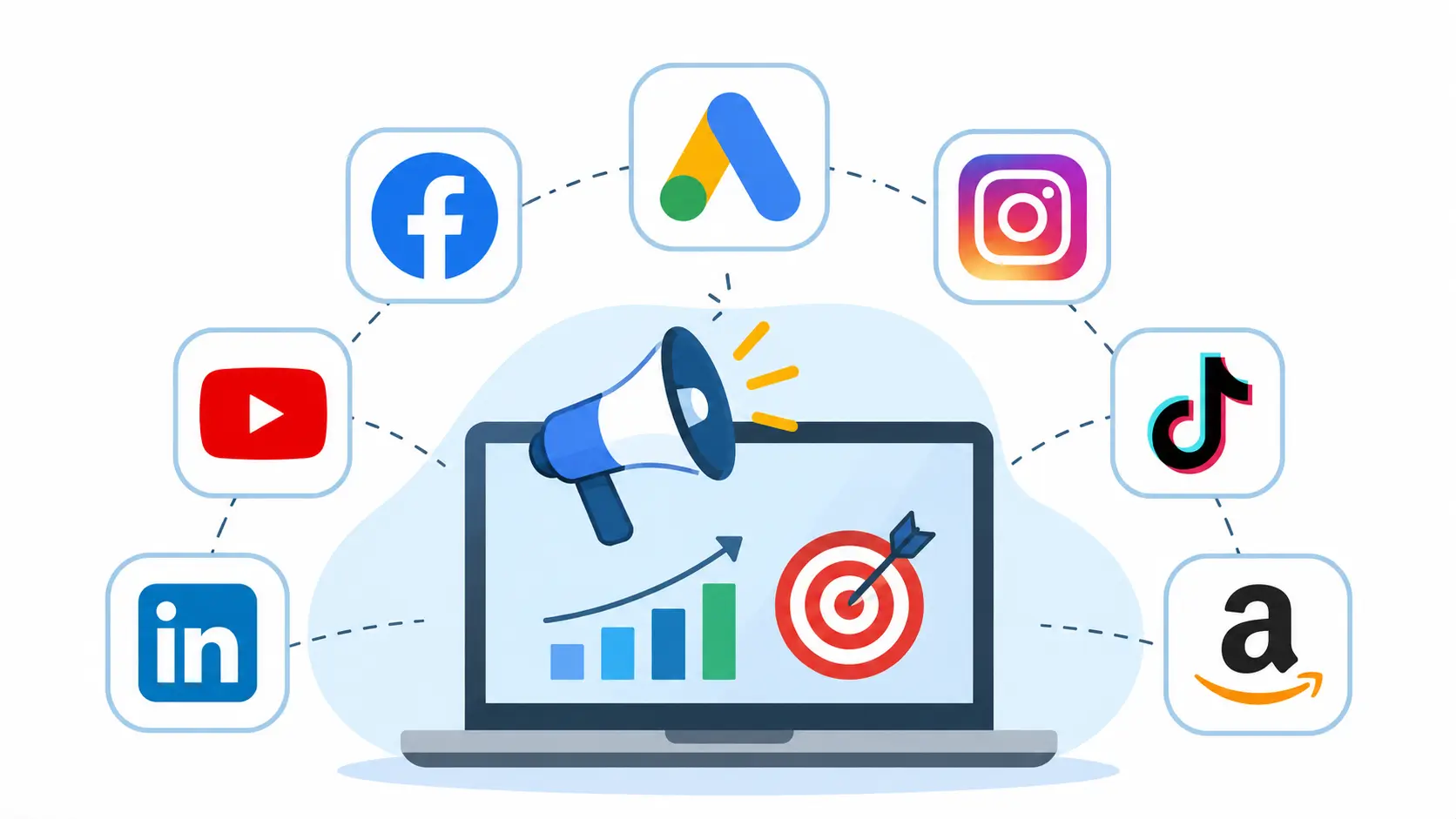
Understanding online advertising platforms is another important part of developing a successful digital marketing strategy. Each platform offers different features, audiences, and advertising opportunities.
Think of these platforms as tools that help you connect with potential customers. Choosing the right ones can improve campaign performance and help you achieve your business goals. Resources such as linkbuildingplatform.org can also introduce marketers to different outreach and backlink management approaches.
Why Online Advertising Platforms Matter
Online advertising platforms allow businesses to reach specific audiences at the right time. Unlike traditional advertising, digital platforms provide targeting options and performance tracking features that help marketers understand how their campaigns are performing.
Whether your objective is to increase website traffic, generate leads, or improve brand awareness, these platforms offer several ways to promote your business. Similarly, guest posting packages can help businesses connect with relevant audiences through content placements on industry-related websites.
Popular Online Advertising Platforms to Consider
Several advertising platforms are widely used by businesses to reach their target audiences. Let’s explore some of the most popular options.
- Google Ads: Google Ads allows businesses to display advertisements in search results through pay-per-click (PPC) campaigns. Advertisers bid on relevant keywords to reach people actively searching for related products or services.
- Facebook and Instagram Ads: These platforms provide detailed audience-targeting options based on interests, demographics, and user behavior. Their visual advertising formats make them useful for promoting products, building brand awareness, and engaging potential customers.
- LinkedIn Ads: LinkedIn is particularly useful for business-to-business marketing and professional networking. Companies can use it to promote B2B services, industry events, and business solutions to relevant professionals and decision-makers.
- TikTok Ads: Businesses targeting younger audiences can use TikTok’s short-form video advertising formats. Creative and entertaining campaigns can help brands attract attention and encourage engagement.
- YouTube Ads: YouTube provides opportunities to promote businesses through video advertising. From short bumper advertisements to detailed product demonstrations, video campaigns can support brand awareness and audience engagement.
- Amazon Ads: Businesses selling products through Amazon can use its advertising solutions to improve product visibility. Sponsored product advertisements and keyword targeting help eCommerce sellers reach shoppers who are already interested in purchasing.
How to Select the Best Advertising Platform
Choosing an advertising platform does not mean you need to advertise everywhere. Instead, focus on the platforms that match your audience, marketing objectives, and available budget. Beginners who want to develop practical marketing skills can explore Digital Marketing & SEO Training to understand campaign planning, SEO, paid advertising, and performance tracking.
- Identify Your Marketing Goals: Decide whether you want to improve brand awareness, generate leads, or increase sales. Google Ads can help capture existing search demand, while Instagram Ads can support visual brand promotion.
- Research Your Target Audience: Understand your audience’s age, interests, preferences, and online behavior. Facebook reaches a broad range of users, while LinkedIn is particularly suitable for professional and business audiences.
- Review Platform Features: Every advertising platform offers different capabilities. Facebook provides retargeting options, while YouTube supports different video advertising formats.
- Plan Your Advertising Budget: Set a realistic budget based on your business goals. PPC platforms such as Google and Facebook allow advertisers to control their spending. Businesses can also work with a Shopify PPC agency to manage and improve their eCommerce advertising campaigns.
Using an AI ad generator, alongside professional PPC management for franchises, can help businesses develop campaigns, test different approaches, and improve advertising performance.
Practical Tips for Better Online Advertising
- Write Compelling Ad Copy: Communicate your message clearly and highlight the benefits of your product or service. Keep your advertisements concise and relevant to your audience.
- Test and Improve Your Campaigns: Use A/B testing to experiment with different headlines, images, audience segments, and advertising formats. Review the results to identify what performs best.
- Monitor Advertising ROI: Regularly evaluate campaign performance using metrics such as click-through rate (CTR) and cost per acquisition (CPA).
Learning to use advertising platforms effectively takes time and practice. Each platform serves a different purpose, so focus on understanding its strengths and creating campaigns that connect with your intended audience.
The Role of SEO in Improving Brand Visibility
Search Engine Optimization, commonly known as SEO, plays an important role in helping people discover your business online. It involves improving your website and content so that they can appear more prominently in search engine results.
Whether someone searches through Google, Bing, or YouTube, effective SEO practices can help your brand become easier to find. Let’s look at the basics.
Why SEO Is Important for Businesses
Imagine running a small bakery that specializes in gluten-free cupcakes. A potential customer searches for “best gluten-free cupcakes near me.” If your website is properly optimized for relevant search terms, your business has a better opportunity to appear in those search results.
Without SEO, your website may struggle to reach people searching for your products or services. SEO helps improve online visibility, attract relevant visitors, and create opportunities to connect with potential customers. Businesses looking to strengthen their search presence can also collaborate with experienced digital marketing agencies to develop effective optimization strategies.
Essential SEO Elements Every Beginner Should Understand
Understanding a few fundamental SEO elements can help you improve your website’s visibility and create a better experience for visitors. If you want to understand SEO more deeply, consider exploring an SEO course with certification that covers keyword research, on-page optimization, technical SEO, and website performance.
- Keywords: Keywords are the words and phrases people enter into search engines. Choose terms that are relevant to your business and match what your potential customers are searching for.
- Meta Descriptions: These short descriptions appear in search results and provide information about a webpage. Writing clear and relevant descriptions can encourage users to visit your website.
- Website Experience: Your website should load quickly, work properly on mobile devices, and provide straightforward navigation. A positive user experience makes it easier for visitors to explore your content.
- High-Quality Content: Publish useful and original content through blog articles, videos, and infographics. Providing relevant information helps demonstrate your expertise and builds trust with your audience.
- Link Building: Link building involves earning backlinks from other reputable websites. These links can help improve your website’s authority and search visibility. Exploring marketing sites for guest posting can help you discover relevant publishing opportunities.
You can also build backlinks by publishing valuable articles on established websites such as Bulldog. Working with the best SaaS link building agency can provide additional support for improving website authority and organic visibility.
Agencies managing multiple client websites may also consider working with an experienced SEO reseller to streamline link-building activities and manage ongoing SEO requirements.
Steps to Get Started with SEO
- Research Relevant Keywords: Use tools such as Google Keyword Planner or Ubersuggest to discover the search terms people use within your industry.
- Optimize Your Website Pages: Include relevant keywords naturally in page titles, headings, URLs, and body content. Avoid excessive keyword repetition because it can affect readability.
- Publish Helpful Content: Start a blog or create an FAQ section that addresses common customer questions. Focus on providing practical information that matches search intent.
- Measure Website Performance: Use analytics platforms such as Google Analytics to monitor traffic, understand visitor behavior, and calculate SEO ROI.
Social Media Marketing: Beyond Posts and Likes
Social media has become an important part of how businesses communicate with their audiences. Platforms such as Facebook, Instagram, LinkedIn, and TikTok provide opportunities to promote products, share information, and build stronger customer relationships.
However, successful social media marketing involves more than publishing attractive images and collecting likes. It requires a consistent strategy, meaningful interactions, and content that provides value to your audience.
Why Social Media Marketing Matters
Billions of people use social media platforms every day, making them valuable channels for businesses looking to connect with potential customers.
Platforms such as Facebook, Instagram, LinkedIn, and TikTok help brands communicate directly with audiences, participate in conversations, and share their stories. The real benefit comes from building genuine connections rather than simply maintaining an active profile.
Create a Social Media Strategy Before Posting
Starting social media marketing without a proper plan can make it difficult to achieve consistent results. Before publishing content, consider these important steps:
- Set Clear Objectives: Decide whether you want to increase brand awareness, attract website visitors, generate leads, or develop an online community. Your goals will guide your content strategy.
- Understand Your Audience: Learn about your audience’s interests, preferences, and online habits. Understanding who you want to reach makes it easier to create relevant content.
- Choose Suitable Platforms: Each social media platform serves a different purpose. LinkedIn works well for B2B communication, while Instagram is useful for visual storytelling. Concentrate on the platforms where your audience is most active.
Focus on Engagement Rather Than Vanity Metrics
Getting likes and followers can feel encouraging, but these numbers do not always indicate meaningful business results. Pay attention to whether your social media activities generate website visits, customer conversations, and conversions.
Here are some ways to improve audience engagement:
- Maintain a Consistent Posting Schedule: Publish content regularly to keep your audience informed and interested. A content calendar can help you organize upcoming posts.
- Interact With Your Followers: Respond to comments, answer questions, and participate in relevant discussions. Genuine communication makes your brand more approachable.
- Use Different Content Formats: Experiment with videos, reels, infographics, polls, and creative visuals. Tools such as an Adobe meme maker can help you introduce entertaining content into your social media strategy.
Social Media Trends Worth Following
Social media platforms continue to introduce new features and content formats. Keeping track of these developments can help businesses identify new opportunities.
- Short-Form Videos: Instagram Reels, TikTok videos, and YouTube Shorts provide opportunities to share information through short and engaging videos. Some brands also use AI tools to create videos from existing content.
- Authentic Content: Audiences increasingly appreciate relatable and genuine content. Behind-the-scenes videos, customer experiences, and everyday business activities can help build stronger connections.
- Social Commerce: Platforms such as Instagram and Facebook offer shopping features that allow businesses to showcase products and connect with potential buyers directly.
Track Your Social Media Performance
Measuring social media performance helps you understand whether your strategy is delivering the expected results. Review platform insights to monitor engagement rates, link clicks, follower growth, and other relevant metrics.
If certain posts are not performing well, use the information to improve your future content. Testing different formats and topics can help you understand what your audience prefers.
Make Authenticity Part of Your Brand
Authenticity is one of the most valuable qualities a business can demonstrate online. Audiences are more likely to connect with brands that communicate honestly and consistently.
Avoid making every post sound like a sales advertisement. Share useful information, highlight real experiences, and communicate in a way that reflects your brand’s personality.
Email Marketing Strategies to Keep Your Audience Engaged
Although social media platforms and short-form videos receive considerable attention, email marketing continues to be a valuable communication channel for businesses. It provides a direct way to share updates, deliver useful information, and maintain relationships with existing customers.
With the right approach, email campaigns can help turn occasional visitors into engaged subscribers and long-term customers.
1. Personalize Your Email Communication
Subscribers are more likely to engage with emails that address their interests and needs. Rather than sending identical messages to everyone, customize your communication based on customer preferences and previous interactions.
For example:
- If someone recently purchased a product, send helpful instructions or suggestions for using it.
- If a subscriber regularly reads fitness-related content, share relevant workout guides or articles.
Personalized communication makes subscribers feel valued and helps establish stronger relationships with your audience.
2. Write Attention-Grabbing Email Subject Lines
Your subject line creates the first impression of your email. A clear and interesting subject can encourage subscribers to open your message and explore its contents.
Keep subject lines short, relevant, and engaging. Questions, numbers, and suitable emojis can help attract attention.
Examples:
- “5 Tools to Improve Your Productivity Overnight”
- “Are You Making This Common Marketing Mistake?”
The purpose is to create curiosity without misleading readers. Make sure the subject line accurately reflects the information inside your email.
3. Share Valuable Information Instead of Only Promoting Products
Your subscribers should receive more than promotional messages. Use email marketing to educate your audience, provide useful resources, and solve common problems.
For example:
- Share practical tips, tutorials, or informative guides.
- Introduce your business through behind-the-scenes updates.
- Provide useful resources such as eBooks, templates, or exclusive discounts.
When subscribers consistently receive helpful information, they have more reasons to remain connected with your brand.
4. Choose the Right Time to Send Emails
Timing can influence how people interact with your email campaigns. Sending messages when your audience is more likely to check their inbox can improve the chances of getting opens and clicks.
For example, an email promoting breakfast recipes may not receive much attention if it arrives late at night. Use email analytics to understand subscriber activity and experiment with different sending schedules.
5. Encourage Two-Way Communication
Email marketing should create opportunities for interaction rather than simply delivering information. Include calls to action that encourage subscribers to reply, visit your website, or share their opinions.
You can ask questions such as:
- “What is your biggest challenge with [topic] right now?”
- “Reply to this email and share your thoughts. We would love to hear from you!”
These interactions can increase engagement while helping you understand your audience more effectively.
6. Keep Your Email Subscriber List Updated
Maintaining a healthy email list is important for effective campaign performance. Not every subscriber will remain interested in your content, and some may stop interacting with your messages over time.
Review your subscriber activity regularly and identify inactive contacts. Removing invalid addresses and managing inactive subscribers can help maintain list quality and improve the effectiveness of your email campaigns.
Use Analytics to Improve Your Digital Marketing Performance
Running digital marketing campaigns without reviewing analytics makes it difficult to understand what is working. Analytics provide useful information about your website visitors, audience behavior, and campaign performance.
Instead of relying entirely on assumptions, you can use actual performance data to make better marketing decisions.
Why Analytics Are Essential for Digital Marketing
Analytics help you evaluate the effectiveness of your marketing activities. They show which strategies are generating results, which areas need improvement, and where additional opportunities may exist.
These tools also provide insights into audience preferences, browsing habits, and common challenges. Understanding this information allows you to create more relevant campaigns and improve your communication.
Important Marketing Metrics to Monitor
You do not need to track every available metric when getting started. Focus on the measurements that directly relate to your business goals.
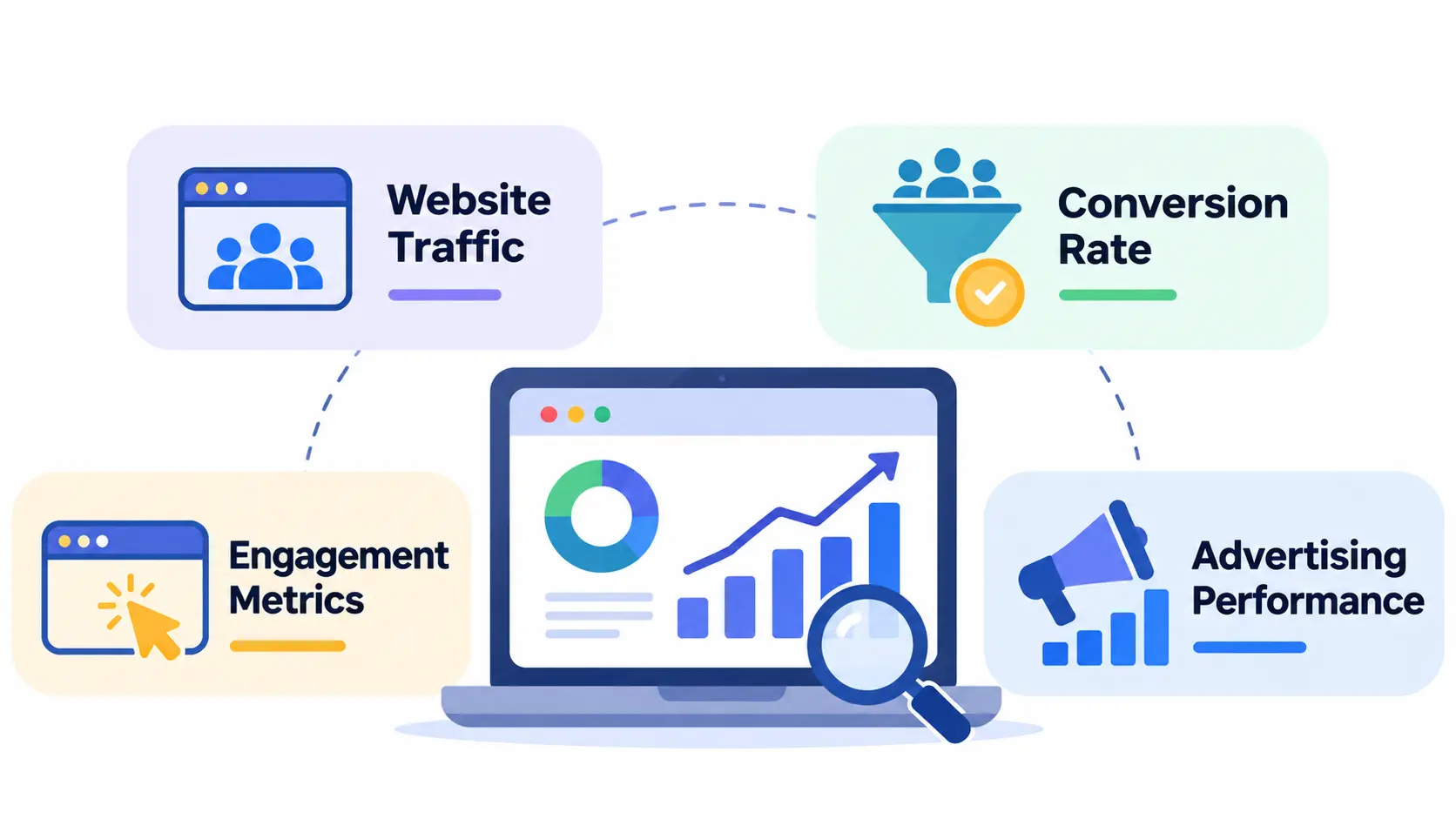
These are some important metrics worth monitoring:
- Website Traffic: Track how many people visit your website and identify their traffic sources, such as organic search, social media, referral links, and email campaigns. Google Analytics can help you understand these patterns.
- Conversion Rate: Measure the percentage of visitors who complete a desired action, such as purchasing a product, registering for a course, or subscribing to a newsletter. More traffic is useful, but conversions help demonstrate business results.
- Engagement Metrics: Review bounce rate, average engagement time, and popular website pages to understand how visitors interact with your content.
- Advertising Performance: If you run paid campaigns, monitor click-through rate (CTR), cost per click (CPC), and return on ad spend (ROAS) to evaluate their effectiveness. To better understand how clicks measure campaign engagement, read this guide on click-through rate in digital marketing and learn how to evaluate advertising performance.
These metrics become more meaningful when analyzed together. For example, understanding how to calculate website conversion rate helps you compare website visits with completed actions and determine whether your marketing efforts are producing meaningful results.
Turn Marketing Data Into Practical Improvements
Collecting analytics data is only the beginning. The real value comes from using those insights to improve your marketing activities.
Here are a few ways to turn data into action:
- Identify Areas That Need Improvement: If a blog article has a high bounce rate, review its content, improve its readability, add relevant images, or make its SEO elements more effective.
- Repeat Successful Strategies: If your weekly email newsletter receives strong engagement, identify the reasons behind its performance. Analyze the topics, subject lines, and information that attracted subscribers.
- Conduct A/B Testing: Experiment with different headlines, landing page layouts, and call-to-action buttons. Compare the results to determine which version performs better.
Understand the Benefits of Real-Time Analytics
One major advantage of digital marketing is the ability to monitor campaign performance without waiting for long reporting cycles.
Platforms such as Google Analytics and social media insights provide performance information that can help you identify changes in audience behavior. If a campaign is not delivering the expected results, you can review the data and make adjustments.
Real-time insights allow businesses to respond more quickly, improve their campaigns, and make informed decisions based on actual performance.
Stay Ahead of the Constant Changes in Digital Marketing
The digital marketing industry continues to evolve as new technologies, advertising features, and search engine updates emerge. Strategies that worked previously may not always produce the same results.
To maintain a competitive online presence, businesses and marketers need to keep learning, explore new opportunities, and adapt their strategies when necessary.
1. Make Continuous Learning a Priority
Digital marketing requires ongoing learning because industry practices and technologies continue to change. Follow industry experts, read reliable marketing blogs, participate in webinars, and attend relevant workshops.
Platforms such as HubSpot Academy, Google Skillshop, Skillfloor, and Coursera provide learning resources, certifications, and digital marketing courses.
Try to spend at least 20 minutes each day learning something new about your industry. Regular learning can gradually improve your knowledge and help you identify useful strategies for your business.
2. Explore New Platforms and Marketing Features
New tools, features, and digital platforms regularly become available. Exploring these developments can help your business discover additional ways to reach and engage potential customers.
Experiment with features such as Instagram Reels, TikTok advertising, and AI-powered chatbots. Not every experiment will produce positive results, but testing new approaches can reveal opportunities that support business growth.
Stay curious, evaluate the results, and focus on technologies that provide genuine value to your audience.
3. Develop a Habit of Following Industry Updates
Keeping up with industry developments helps you understand changes that may affect your marketing strategy. Search engine algorithms, advertising policies, and social media features can change over time.
Consider these practices:
- Follow Industry Experts: Read articles and updates from experienced digital marketing professionals who explain important industry developments.
- Subscribe to Newsletters: Platforms and marketing experts such as Moz and Neil Patel regularly share useful insights and industry updates.
- Participate in Online Communities: Join relevant Reddit communities, LinkedIn groups, and online marketing forums to exchange ideas and learn from other professionals.
4. Use Analytics to Identify New Opportunities
Staying competitive involves more than reacting to changes. It also means identifying potential opportunities before they become widely adopted.
Analytics tools such as Google Analytics, SEMrush, and Hotjar can help you understand visitor behavior, identify content trends, and evaluate marketing performance.
Use these insights to discover what your audience finds valuable, test new ideas, and make improvements to your overall marketing strategy.
5. Keep Your Marketing Strategy Flexible
Businesses need to be prepared for unexpected changes in customer behavior, market conditions, and industry requirements.
The COVID-19 pandemic demonstrated how quickly business environments can change. Companies that adapted their operations and marketing approaches were better positioned to respond to new customer needs.
Instead of following a rigid long-term plan, review your strategy regularly and make adjustments when necessary. A flexible approach allows you to respond to changing circumstances and take advantage of emerging opportunities.
6. Build Connections Through Collaboration
Networking and collaboration can introduce you to new ideas, industry knowledge, and potential business opportunities.
Connect with fellow marketers, participate in professional communities, and exchange experiences with people working in similar industries.
Collaborating with other professionals can help you understand different perspectives, discover useful resources, and avoid common marketing challenges. Building these relationships also creates opportunities for future partnerships and shared growth.
Frequently Asked Questions (FAQs)
1. What is digital marketing in simple terms?
Digital marketing refers to promoting products, services, or brands through online channels such as search engines, websites, social media, email, and paid advertisements. It helps businesses reach potential customers and build relationships online.
2. Why is digital marketing important for beginners?
Digital marketing helps beginners establish an online presence, reach specific audiences, generate leads, and promote their products or services. It also offers affordable marketing opportunities and measurable results.
3. What are the main types of digital marketing?
The main types of digital marketing include:
- Search Engine Optimization (SEO)
- Social Media Marketing (SMM)
- Content Marketing
- Email Marketing
- Pay-Per-Click Advertising (PPC)
- Affiliate Marketing
- Influencer Marketing
- Video Marketing
4. How can I start learning digital marketing?
You can start by understanding the fundamentals of SEO, social media, content creation, and online advertising. Explore free resources from Google Skillshop and HubSpot Academy, practice using digital marketing tools, and work on small projects to develop practical skills.
5. Is digital marketing suitable for small businesses?
Yes. Digital marketing is suitable for businesses of all sizes. Small businesses can use SEO, social media, email marketing, and targeted advertising to reach potential customers without requiring a large marketing budget.
6. Which digital marketing platform is best for beginners?
Google, Facebook, Instagram, and LinkedIn are useful platforms for beginners. The best option depends on your business goals and target audience. For example, Instagram is suitable for visual content, while LinkedIn is effective for professional and B2B marketing.
7. How long does it take to see results from digital marketing?
The time required depends on the marketing strategy. Paid advertising can generate traffic relatively quickly, while SEO and content marketing generally require several months of consistent effort to produce meaningful organic results.
8. What tools are useful for digital marketing?
Some popular digital marketing tools include:
- Google Analytics for website performance tracking.
- Google Search Console for monitoring search visibility.
- SEMrush and Ahrefs for SEO research.
- Canva for creating marketing graphics.
- Mailchimp for email marketing.
- Google Ads for paid advertising campaigns.
9. Can I learn digital marketing without technical knowledge?
Yes. You can learn digital marketing without advanced technical skills. Many beginner-friendly tools make it easier to create content, manage campaigns, analyze performance, and optimize websites.
10. What skills are required to become a digital marketer?
Important digital marketing skills include SEO, content writing, social media management, keyword research, email marketing, analytical thinking, communication, and familiarity with digital marketing tools.
Conclusion
Digital marketing is an essential part of building a successful online presence. From developing a professional website and creating valuable content to implementing SEO, social media marketing, email campaigns, and online advertising, every activity contributes to reaching and engaging your target audience.
As a beginner, you do not need to master every marketing channel at once. Start by understanding your audience, setting clear goals, and choosing the strategies that best suit your business. Monitor your results, learn from your campaigns, and continuously improve your approach.
The digital landscape will continue to evolve, making continuous learning and adaptability important for long-term success. With the right strategy, consistent effort, and a customer-focused approach, you can use digital marketing to strengthen your brand, attract potential customers, and achieve sustainable business growth.