
Edwardsville, Illinois, residents rely on local healthcare providers to keep medical examinations and procedures safe. When a reusable scope is contaminated, a patient may develop an infection that requires additional treatment and raises questions about how the equipment was handled. Contaminated-scope attorneys investigate these cases by examining medical practices, equipment safety, and the procedures followed before and after an examination. Their work helps determine whether an avoidable failure contributed to a patient’s illness and whether the available evidence supports legal action.
For patients in Edwardsville who suspect an infection resulted from a contaminated medical scope, understanding the investigative process can make the next steps less uncertain. Speaking with an Olympus scope lawyer may help clarify whether a particular device, cleaning procedure, or manufacturer warning deserves closer scrutiny. Establishing responsibility requires more than showing that symptoms appeared after a procedure. Medical documentation, equipment records, and technical evidence must work together to explain what happened and identify the parties who may be accountable.
The Patient’s Medical Timeline
An attorney begins by building a precise timeline. The review usually starts with the procedure and continues through symptoms, testing, treatment, and diagnosis.
Medical records can show whether an infection developed after the procedure, whether symptoms appeared during a relevant period, and whether another condition explains the illness. The attorney also reviews cultures, imaging studies, prescriptions, hospital admissions, and follow-up appointments.
The timeline must include prior health conditions and earlier infections. Those details help determine whether the scope procedure caused the injury or whether another source provides a more likely explanation.
The Scope’s Identity And Use
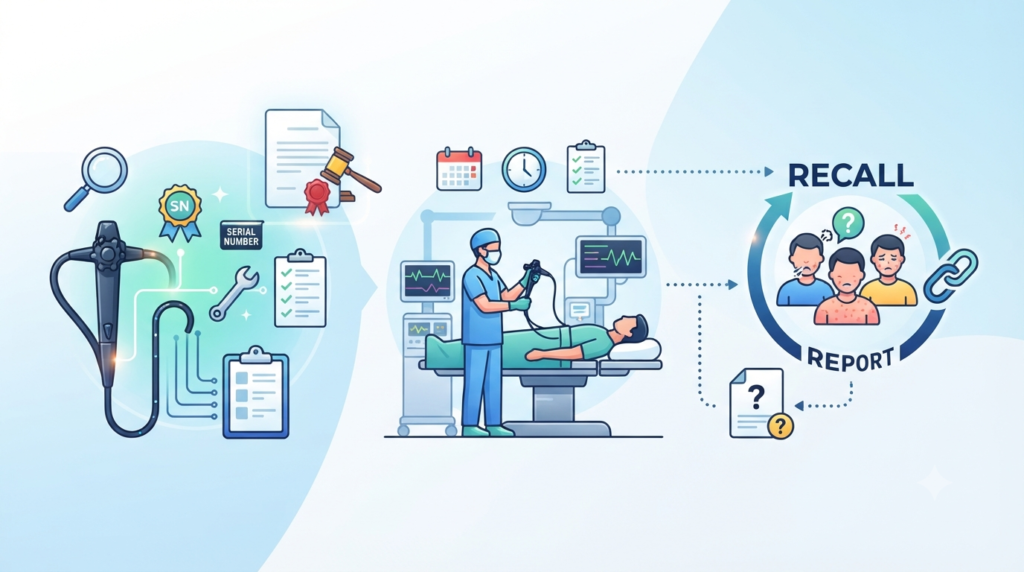
Medical devices often have specific model numbers, serial numbers, and processing records. An attorney requests records identifying the scope used during the procedure, the facility that owned it, and the personnel who handled it.
A patient may need an Olympus scope lawyer when records connect an injury to an Olympus device or contamination event. The investigation examines the scope’s model, service history, repair records, cleaning instructions, and use during the relevant procedure. These details can show whether the device was defective, improperly maintained, or difficult to disinfect.
The attorney also checks whether the same scope was used on other patients. Related infections, recalls, safety notices, or facility reports can show a broader problem without proving causation on their own.
Cleaning And Reprocessing Records
Reusable scopes require documented cleaning and disinfection after each procedure. An attorney requests logs showing when staff processed the device, which method they used, and whether they recorded each required step.
The review includes leak testing, brushing, flushing, drying, storage, and, when applicable, inspection records. Missing entries can raise questions about whether the facility followed its own procedures.
A record may also show that staff repeated a process after an initial failure. Training records, staffing information, written protocols, and equipment maintenance documents help determine whether the problem involved an isolated mistake or a repeated practice.
Manufacturer Instructions And Device History
The investigation compares the facility’s process with the manufacturer’s written instructions. This comparison can reveal whether staff used an incorrect cleaning method, skipped a required step, or lacked equipment needed for proper reprocessing.
An attorney also examines service records and complaints involving the same device. Repairs can affect internal channels, seals, or other areas that require effective cleaning. The device history may show whether a known issue existed before the patient’s procedure.
A lawyer does not treat a device’s brand name as proof of fault. The claim requires evidence connecting the specific scope, conduct, defect, or warning issue to the patient’s injury.
Infection And Causation Evidence
A contaminated scope case depends on medical causation. The attorney compares the patient’s organism, symptoms, and treatment with available information about the suspected contamination.
Laboratory reports can identify the organism and show whether it matches other infections linked to the same procedure or device. The review also considers incubation periods, exposure history, immune status, and other medical explanations.
Medical professionals may evaluate whether the scope procedure caused the infection. Their opinions must rely on the patient’s records and accepted medical reasoning. An attorney gathers this evidence before filing because a complaint needs more than a temporal connection between a procedure and later illness.
Notice, Reporting, And Legal Deadlines
Hospitals and manufacturers may have internal reports concerning an infection, equipment failure, or patient complaint. An attorney seeks those records through formal requests, preservation letters, or later litigation procedures.
The review also considers whether the facility reported an event to a regulator, notified patients, or changed its reprocessing practices. Those actions do not automatically establish liability, but they can identify dates, witnesses, and documents that require preservation.
Potential Defendants And Available Claims
The evidence determines which parties to include in a lawsuit. Potential defendants can include a medical facility, healthcare professional, device manufacturer, or another entity responsible for maintenance or processing.
The legal theories depend on the facts. A claim may involve negligence, defective design, manufacturing problems, inadequate warnings, or failure to follow infection-control procedures. Each theory requires different proof.
Conclusion
Before filing, a contaminated-scope attorney tests every part of the claim: the device identity, processing history, infection evidence, responsible parties, and filing deadline. Patients can protect key evidence by requesting medical records, preserving billing documents, and documenting procedure dates and symptoms. They should avoid discarding notices or publicly discussing disputed facts. A prompt legal review gives the attorney time to secure records, consult medical professionals, and determine whether the available proof supports a lawsuit.