
Rapid industrial automation introduces novel physical hazards across logistics hubs, raising urgent questions surrounding corporate liability and protocol.
Automation has completely transformed the modern industrial facility. The factory, the warehouse, the processing plant, and the distribution center are all increasingly reliant on connected machines to do the work that would previously have required a large amount of manual labor.
Robots do the assembly, conveyors do the moving, sensors do the monitoring, and software does the coordination of the whole process. These technologies obviously have their benefits in terms of increasing productivity, reducing the amount of repetitive work, improving consistency, and enabling businesses to run 24/7.
The downside, of course, is that with greater reliance on automated equipment comes a whole new set of problems if something goes wrong. A broken machine isn’t necessarily just a broken machine any more.
In a highly interconnected plant, one failure can have a knock-on effect on a number of other systems, halt production, damage equipment, and put people at risk. An injury to a worker can have repercussions that go way beyond the immediate disruption to operations.
For industrial businesses, understanding these risks is now an essential part of responsible automation. It’s not just about buying smart equipment. You also need appropriate safety procedures, appropriate maintenance practices, appropriate employee training, and a clear understanding of your legal obligations.
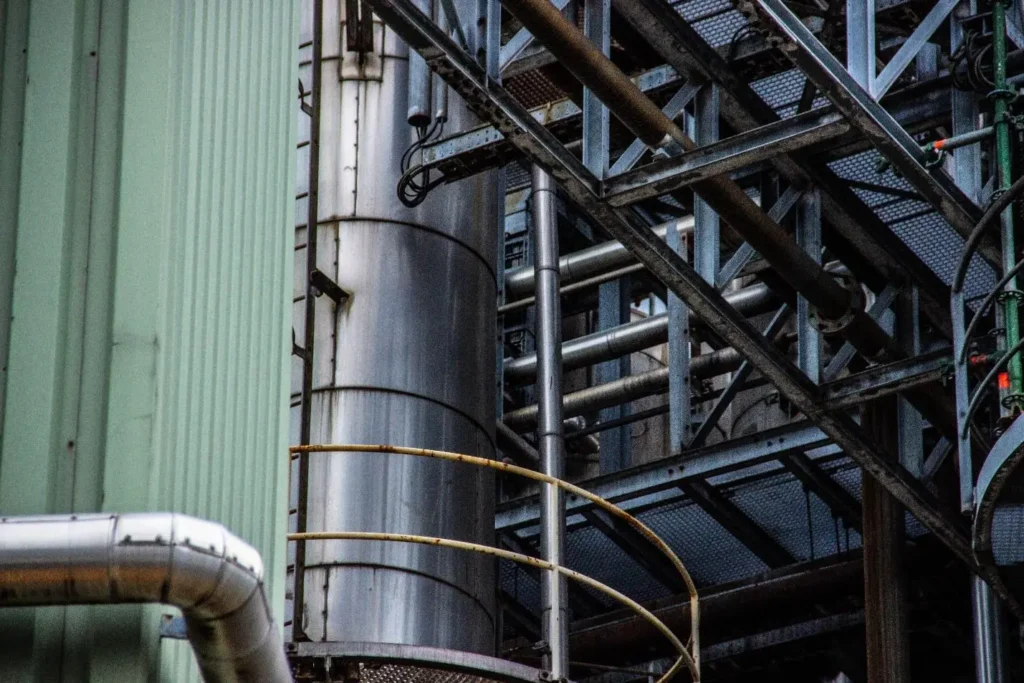
The Impact Of Automation On The Industrial Workplace
Traditional industry was all about people working on individual machines, doing individual jobs manually. There were hazards in those environments, but the people working there could quite often see the problem for themselves just by looking at it, by hearing it, by seeing it move, or by sensing a change in the machine.
Automated facilities work in a completely different way. The machines talk to each other, pass information via a central software package, and react automatically to sensor inputs. The workforce is increasingly in a position of supervision rather than direct control of the process.
This changes the nature of workplace risk. For instance, an automated conveyor might be running while the people are doing their inspections right next to it. A robot arm might be moving through its programmed sequence while sensors are checking that the item is in the right position.
If a sensor fails or the control system gets the wrong information, the machine may well do something very odd. The risk isn’t necessarily confined to the machine itself. Staff working in the vicinity could be at risk from moving parts, unexpected start-ups, falling material, electrical hazards, or equipment that doesn’t respond as it should to an emergency stop.
As automation gets more advanced, businesses need to ensure their safety procedures are equally progressive.
Why Injured Employees Must Be Familiar With Their Legal Options?
For an employee injured in an industrial environment the immediate issues are obviously medical treatment and recovery. A workplace accident can also give rise to financial and legal issues, of course, especially where the injury prevents the employee from going back to their normal job.
Medical bills, lost wages, rehab, and the potential for long-term physical disability can all be a real strain on an injured worker and their family. In Texas, the rules of workers’ comp and the potential for a third party claim will all affect what your options are following an industrial accident.
It all comes down to the employer’s insurance, the particulars of the injury, and whether or not there was a third party who may have been at fault. An employee looking for some advice from a workplace injury lawyer in San Antonio may be asking themselves questions such as how a workplace injury claim works, what evidence might be relevant, and whether the claim is against the employer, the equipment manufacturer, or some other party. It’s vital to bear in mind that the legal options are going to be different depending on the individual circumstances.
Texas workers’ comp law in particular has specific rules relating to subscribing and non-subscribing employers, and the availability of various claims will be dependent upon that.
Workers should also be wary of signing any documents or accepting a settlement offer without first fully understanding what they are getting into. Getting proper legal advice will help to clarify the options available and the relevant time limits.
The Importance Of Evidence
Investigating an accident involving smart machinery will almost certainly require a detailed look at both the physical plant and the digital information. Traditional evidence would be photographs of the scene of the accident, witness statements, medical records, maintenance records, and inspection reports.
In an automated environment, electronic information can be just as important. Depending on the system, investigators may need to examine:
- Machine operating logs and recorded fault codes.
- Sensor readings and safety system alarms.
- Software versions and recent config changes.
- Emergency stop and interlock records.
- Maintenance schedules and repair history.
- Training documentation and operating procedures.
- Surveillance and incident reports.
This could help establish whether the machine performed as it should have, whether a warning was issued, and/or whether an employee was exposed to a known hazard. Preservation of evidence is critical, as some digital records can be overwritten or simply auto-deleted.
Businesses should have processes in place for the secure storage of relevant information following a significant incident. Any employee who has an accident should report it via the correct workplace channels and get medical attention.
Where possible they should also keep copies of any relevant correspondence and records relating to their injury.
When Smart Machinery Becomes A Massive Hazard
An industrial plant can fail for a variety of reasons. Some failures are due to slow deterioration through wear and tear, some are the result of a sudden fault (e.g. an electrical fault, a software fault, or a damaged component), and some are due to a lack of maintenance.
Failures in an automated environment can also be due to the communication between the various bits of equipment. The sensor may be giving false readings, the control system may not be seeing an obstruction, or a software update may have changed the way the machine responds to certain operating conditions.
Even a fairly minor technical glitch can have very serious consequences. Think of a robot system designed to move loads from one production station to another. If its sensors don’t detect a person in a restricted area, it will just carry on with its programmed movement.
The same applies to an automated conveyor, which may well fail to stop when it should, leading to a potential for crushing or entanglement.
Other potential incidents include:
- Robotic equipment operating outside of its normal operating range.
- Conveyor systems starting unexpectedly during cleaning or inspection.
- Automated forklifts (or guided vehicles) colliding with people or other equipment.
- Safety interlocks that do not prevent access to dangerous machinery.
- Electrical or control system faults resulting in equipment behaving in an unexpected manner.
- Sensors incorrectly configured so that they don’t detect people or obstacles.
These are all examples of why automation cannot be a substitute for workplace safety. The most advanced piece of kit in the world still needs good safety systems, regular inspection, and appropriate human supervision.
Industrial plants can fail for a number of reasons. Some failures are the result of gradual deterioration through wear and tear; others are the result of a sudden fault (e.g. electrical fault, software fault, or damaged component) or poor maintenance.
In an automated environment failure can also be down to the communication between different bits of equipment. A sensor might be giving incorrect information, a control system may not be recognizing an obstruction, or a software update may have altered the way the machine responds to certain operating conditions.
Even a fairly minor technical issue can have very serious repercussions.
Think of a robotic system designed to move materials from one production station to another. If its sensors fail to detect an operator in a restricted area, it may simply carry on with its programmed movement. The same applies to an automated conveyor, which may not stop when it should. That could lead to a worker being caught in a crushing or entanglement hazard.
Other potential incidents include:
- Robotic equipment operating outside of its normal operating range.
- Conveyor systems starting unexpectedly during cleaning or inspection.
- Automated forklifts (or guided vehicles) colliding with personnel or other equipment.
- Safety interlocks that failed to prevent access to dangerous machinery.
- Electrical or control system faults leading to unanticipated equipment behavior.
- Sensors incorrectly configured so that they don’t detect people or obstacles.
These examples illustrate why automation cannot be seen as a replacement for workplace safety. Even the most sophisticated piece of equipment will require robust safety systems, regular maintenance and inspection, and the appropriate level of human oversight.
Automation will continue to be a major factor in manufacturing, in logistics, and in the running of industry. Smart machinery can make facilities more productive and will reduce the need for people to do certain tasks that are repetitive or otherwise physically demanding.
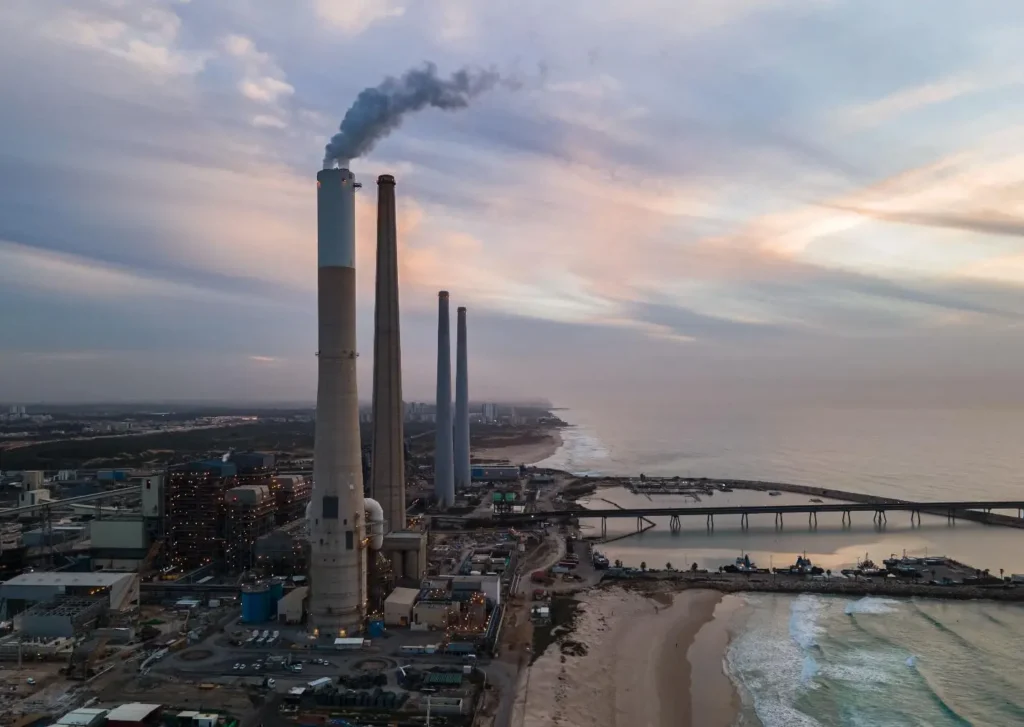
Technology doesn’t remove workplace risk, though. In certain circumstances it actually creates new hazards, which in turn require a far greater degree of planning, supervision, and maintenance.