
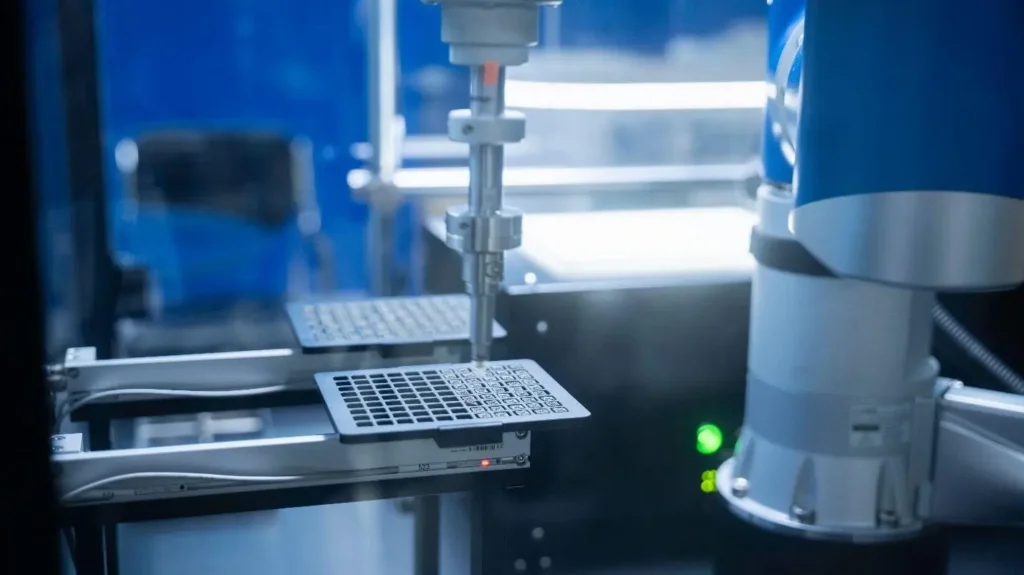
Engineering has always revolved around tackling issues that are quite intricate in a safe and effective way. From pipelines and bridges to pressure vessels, etc., engineers are here to make sure that vital assets are capable of performing reliably under practically any circumstances.
For the time being, one of the most popular tools is non-destructive testing, which is known as NDT, as well. So, what does it do? It enables engineers and inspection experts to investigate materials, welds, parts, and structures without destroying the component that’s being inspected.
In other words, it’s an integral part of modern engineering, where it’s always advisable to pay close attention even to the tiniest defects before they further escalate and cause serious failures.
What’s worth mentioning is that it is evolving at a rapid pace. Innovations in robotics, automation, artificial intelligence, and so on are impacting the way inspections are executed. Nowadays, engineers are heavily relying on cutting-edge solutions to gather useful information, reach challenging locations, etc.
The Advantages That Come With Non-Destructive Testing
Engineering structures are almost never just sitting still. Namely, materials go through major stress, vibrations, crazy temperature swings, rust, pressure, and constant exposure to the elements throughout their lives.
The tricky part is that a component can look 100% fine on the outside while a total disaster is cooking on the inside. Things like microscopic cracks, hidden pockets of air, internal rust, delamination, and tiny structural flaws are usually impossible to spot just by eyeballing them.
That is exactly where NDT (Non-Destructive Testing) comes to the rescue, giving engineers a way to peek beneath the surface without having to break or ruin the actual part.
Different problems and materials call for completely different tools. Methods like ultrasonic testing, radiography, magnetic particle checks, liquid penetrant testing, eddy currents, and advanced visual inspections are all heavily relied on across the engineering world.
The latest high-tech innovations in the field aren’t necessarily throwing these classic methods out the window; instead, they’re just making them way faster, insanely precise, a breeze to document, and much easier to pull off in brutal environments.
Remote And Topside Inspection Solutions
Offshore engineering is actually a very challenging inspection environment. How come, you probably wonder? Well, that’s because structures can be exposed to wind, saltwater, corrosion, waves, difficult access conditions, and harsh weather.
Inspection technologies must function properly while assisting engineers in gathering precise information in environments where conventional access methods can be pretty risky and pricey. Companies that are assessing topside inspection solutions want to figure out how digital tools and remote technologies can level up inspection coverage and, concurrently, lower redundant exposure to difficult working conditions. For offshore engineers, the ability to collect reliable pieces of information from topside structures without being dependent on extensive manual access can provide major operational benefits.
Digital Transformation Is Influencing Inspection
One of the absolute biggest game-changers in NDT right now is the massive shift toward digital tech. Back in the day, traditional inspection programs generated a bunch of physical paperwork, printed photos, and typed-up binders.
Modern systems completely dump that hassle by collecting massive piles of inspection data digitally and tagging that info directly to specific parts or exact coordinates on a structure. This opens the door for insanely good traceability.
Engineers can easily pull up and compare inspection results from completely different dates, spot tiny changes or wear over time, and build a bulletproof timeline of an asset’s health.
Digital inspection systems also make sharing the wealth a whole lot easier for different teams. Instead of praying a critical physical report isn’t buried under someone’s coffee mug in a distant field office, the live inspection data can be plugged straight into the company’s broader asset management software.
At the end of the day, it shifts the whole industry away from treating inspections like isolated events and moves toward a continuous, real-time understanding of exactly how your equipment is holding up.
Advanced Ultrasonic Testing
For a very long time, ultrasonic testing has been an integral part of the NDI method, especially for spotting internal flaws and assessing material thickness. In recent years, modern ultrasonic systems have become quite sophisticated.
For instance, phased array ultrasonic testing can employ multiple elements to direct and manipulate ultrasonic beams, enabling inspectors to examine parts from various angles. Something like this can offer thorough information about the location and specifics of potential defects.
Another development is full matrix capture and total focusing techniques, which can produce highly detailed representations of inspection data. These strategies offer engineers a more extensive picture in comparison with the conventional single-element measurements.
The value is especially apparent when inspecting complex welds or parts where defect orientation and geometry are crucial.
Artificial Intelligence And Automated Analysis
AI is another massive trend that is turning heads in the NDT world right now. Modern inspection tech is capable of producing absolutely mind-boggling amounts of data. Trying to manually review every single bit of that info is extremely time-consuming, especially when an inspector is forced to go through thousands of high-res images or look at endless spreadsheets of measurements.
Machine learning systems can completely save the day here by acting like a super-powered assistant that automatically flags patterns linked to structural defects. For instance, computer vision algorithms can be trained to instantly spot sketchy anomalies or tiny cracks in inspection photos.
You can apply that exact same smart approach to other types of data too, as long as you’ve got solid training datasets to feed the software. Look, the endgame here isn’t to get rid of human inspectors.
Instead, AI is just stepping in as an extra high-speed analytical tool in their toolkit. A qualified engineer or inspector can take a look at the findings the system automatically flags, deep-dive into those specific areas of interest, and apply their actual real-world judgment to the final assessment.
At the end of the day, this human-plus-machine combination massively boosts efficiency while making sure you still have the expert eyes needed to decode complex inspection results.
Robotics Are Here To Reach Challenging Inspection Regions
Some of the most difficult NDT applications include locations that are either too hard to reach or potentially dangerous. Working at height, on offshore structures, or in many other risky areas can be pretty hazardous.
Thankfully, robotics is here to step in and effectively address some of these obstacles. Robotic inspection platforms can be made to move across surfaces, gather pictures, carry sensors, or execute measurements, while decreasing the amount of time personnel need to spend in risky environments.
On the other hand, robots are allowed to use tracks, wheels, climbing mechanisms, and so on. For engineers, this is a huge advantage. If a robotic system can gather helpful inspection data while lowering personnel exposure, it can impact how an inspection program is planned.
Drones And Remote Visual Inspection
Drones have officially become a massive asset when it comes to engineering inspections. Instead of forcing your crew to set up expensive scaffolding, rent giant cranes, or dangle from ropes just to get a good look at a structure, you can just fly a drone up there to capture crystal-clear, high-resolution photos and video.
They are a total game-changer for surveying massive, hard-to-reach assets like bridges, communication towers, sprawling industrial plants, giant storage tanks, and offshore rigs. Using remote visual inspections gives you an instant, bird’s-eye view of your asset’s condition and lets you spot specific problem areas that might need a closer look.
This tech is an absolute lifesaver when you need to survey a massive footprint in record time. Instead of immediately burning money deploying a full ground crew and heavy equipment across an entire structure, an inspection team can send a drone up first to collect visual data and map out exactly which spots actually need further investigation.
Enhanced Imaging And Data Visualization
Inspection data is completely useless if your engineers have to stare at it like it’s a bunch of alien hieroglyphics. That is exactly why the latest breakthroughs in imaging and visualization are such a massive deal for NDT.
Massive upgrades like 3D modeling, enhanced imaging filters, digital radiography, and advanced ultrasonic visuals turn incredibly complex raw data into pictures that are a breeze to read. Instead of squinting at a single, isolated measurement on a spreadsheet, engineers can actually fly through a full, comprehensive 3D replica of a component or a defect.
Better visuals also completely revolutionize how your different teams talk to each other. Suddenly, your field inspectors, design engineers, maintenance crews, and upper management are all looking at the exact same clear picture.
At the end of the day, a highly detailed visual model will explain a brutal engineering flaw a million times faster and more effectively than a fifty-page written report ever could.
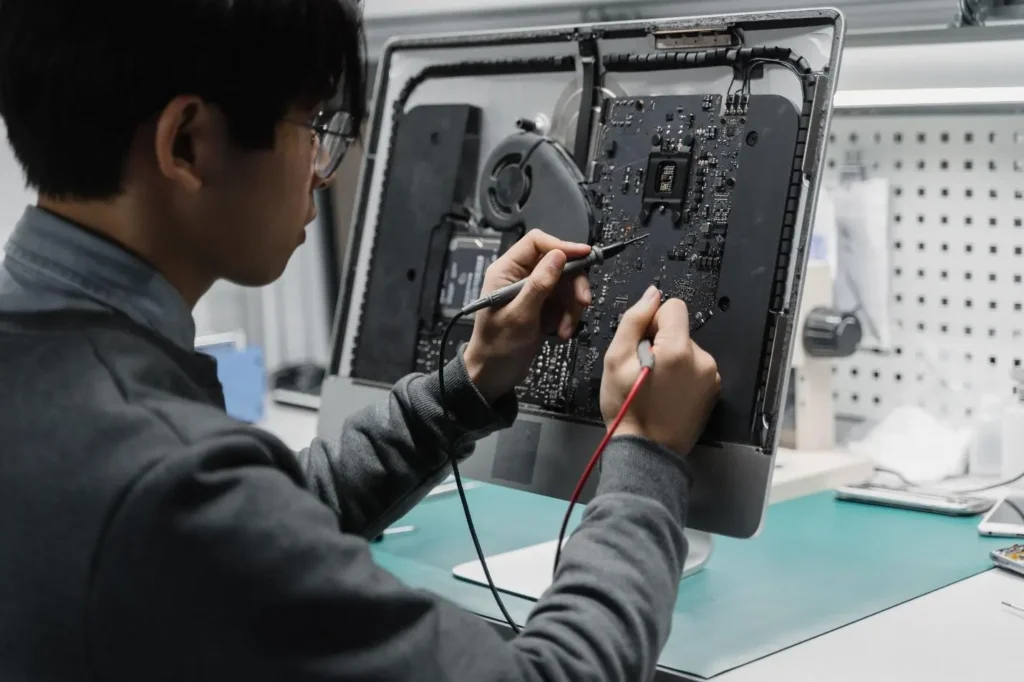
The main goal of non-destructive testing has always been about detecting problems, right on time, without causing any further damage. By virtue of the newest inventions, this whole principle has been expanded.
Today, engineers have at their disposal technologies that can do a bunch of super-cool stuff, like inspecting challenging locations, automating repetitive tasks, etc.