
Hiring the right talent starts long before the interview. In fact, it begins with the job description. A good job description can attract the right talent. However, many companies still use generic templates for job listings that do little to explain the work, requirements, and culture to potential candidates.
Job seekers spend an average of just 14 seconds deciding whether to engage with a job post. That means the job description has a short window to push the right candidates to apply.
Of course, you want more qualified and befitting applicants. Otherwise, the position stays vacant for far too long, or you end up hiring someone not fit for the job or the company culture, who leaves in a short time.
Well-crafted job descriptions do more than outline duties. They communicate your company’s value, clarify expectations, and attract candidates who are both qualified and aligned with your culture.
Why Many Job Descriptions Fail
Many job descriptions essentially fail to communicate what the job is like, how the hire will be compensated, and what kind of company they’re joining. Even if all that information is provided, it’s structured in a way that’s not easy to scan or understand.
One of the biggest issues is vagueness: unclear responsibilities, confusing job titles, and generic language. Applicants have a hard time understanding whether the job is suitable for them and whether they meet the requirements. When candidates can’t quickly understand what the role involves or whether they’re a good fit, they simply move on to better-defined opportunities.
Another major reason is friction and a poor candidate experience, which a badly written job description contributes to. Overly long requirements, unrealistic expectations, or complicated application processes discourage even qualified candidates. A LiveCareer report found that 57% of applicants abandon job applications mid-process due to complexity.
On top of that, mismatched or misleading descriptions can lead to long-term issues, such as poor hires or early resignations. For instance, 64% of Gen Z workers left jobs due to expectation gaps.
To put it bluntly, job descriptions that are unclear, overwhelming, or inaccurate don’t just fail to attract talent; they actively push the right candidates away.
What Makes a Good Job Description for a Job Post: Checklist
The right job description should include a concise job title, a clear job summary, a list of key responsibilities, required qualifications and skills, a list of optional or preferred extras, compensation details, and a short company profile.
Let’s look at the elements of a winning job description in more detail:
Optimized Job Title
The job title is the first (and sometimes only) thing candidates see, so it needs to be clear, searchable, and aligned with industry standards. Avoid internal jargon or creative titles like “Sales Ninja” or “Marketing Rockstar,” which can confuse applicants and reduce visibility in search results. Instead, use commonly recognized titles that match what candidates are actually searching for. Also, keep it concise and reflective of the role’s seniority and function.
Job Summary
A strong job summary provides a quick snapshot of the role. It’s what some job boards display under the title in search results. This section should briefly explain what the job entails, how it contributes to the company, and what success looks like. If AI assisted with writing or editing the summary, consider checking it with an AI detector to ensure the wording sounds natural, original, and engaging. Small edits after reviewing the results can help your job description better represent your company’s tone and connect with qualified candidates. Keep it focused and engaging, ideally 3 to 5 sentences that answer the candidate’s main question: “Why should I care about this role?”
Key Responsibilities
This section outlines what the candidate will actually do on a day-to-day basis. The most effective job descriptions use bullet points with action-oriented language, starting with verbs like “manage,” “develop,” or “analyze.”
If the job has many different responsibilities, prioritize the most important ones rather than listing everything. Also, keep the list realistic to avoid overwhelming candidates or misrepresenting the role.
Required Qualifications and Skills
Here, clarity and restraint are essential. List only the must-have qualifications–skills, experience, or certifications that are truly necessary for the role. For technical roles, clearly defining these requirements helps candidates better prepare for the technical interview process. Overloading this section with excessive requirements can discourage qualified candidates from applying, especially those who may not meet every single criterion but are otherwise a strong fit.
More companies are now turning to skills-based hiring to attract the right talent, rather than listing degrees or too many years of experience as hard requirements.
Preferred Qualifications and Skills
This section allows you to highlight “nice-to-have” attributes without creating unnecessary barriers. It helps differentiate top candidates while still encouraging a broader, more diverse applicant pool.
Compensation and Benefits
Transparency around compensation and benefits is increasingly important in attracting quality candidates. In fact, 61% of respondents in a survey said compensation is the most important part of the job description.
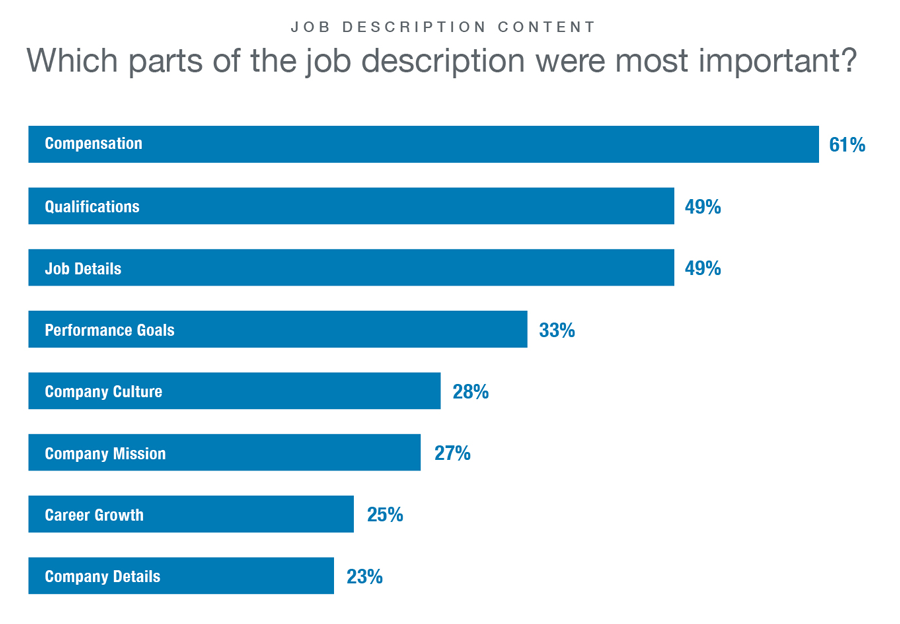
Including a salary range and details about other forms of compensation builds trust and sets clear expectations.
Company/Team Overview
Candidates aren’t just evaluating the role–they’re also considering your organization. Use this section to briefly introduce your company culture and values.
Also, describe the team the candidate will join. Focus on what makes your workplace unique and appealing, but keep it authentic and concise. A clear, honest overview helps candidates assess cultural fit and increases the likelihood of attracting those who will thrive in your environment.
Tips to Write Job Descriptions That Attract the Best Talent
When crafting a job description to post on LinkedIn or the many job boards online, use the following tips to ensure the best of the candidates are inclined to apply.
Understand Your Ideal Candidate First
Before writing anything, define who you’re trying to attract. A well-structured recruitment plan can help identify the right candidate profile before you start drafting the job description. Consider the candidate’s experience level, career goals, motivations, and challenges. With an ideal candidate persona knocked down, you can tailor the tone, responsibilities, and benefits to resonate with them.
Use Clear, Candidate-Centric Language
Avoid corporate jargon and internal terminology that candidates may not understand. Instead, write in simple, direct language that focuses on what the candidate will gain and experience in the role. Frame the content around “you” rather than “the company” to make the description easier to connect with.
Separate the Required from Nice-to-Haves
This is incredibly important because blending required and preferred qualifications can unintentionally discourage strong candidates from applying. Clearly distinguish between must-have skills and optional ones so candidates can quickly assess their fit. This is best done by having those two in different bullet lists.
Make It Concise and Scannable
Most candidates just skim job descriptions. So, use short paragraphs, bullet points, and clear section headings to improve readability. Keep the content concise so that key information stands out and reduces the chances of candidates dropping off mid-read or missing something important about the job.
Share Details That Make the Job Attractive (Perks, PTO, and Benefits)
Compensation matters a lot, and it’s not just the money, but also things like benefits and work-life balance that applicants look for. If the job offers some kind of perks and benefits, you might as well use it to make the position more attractive. Highlight meaningful benefits such as paid time off, flexible work arrangements, growth opportunities, learning and wellness programs.
Give Clear Instructions on Next Steps
End the job description with a simple, clear call to action. Let candidates know exactly how to apply, what materials to include, and what they can expect in the hiring process (like how many rounds there may be or when they can expect to hear back). If additional documents, such as a declaration for resume, are required, mention them clearly so candidates know what to prepare in advance. Clear next steps reduce friction and increase the likelihood that interested candidates will follow through.
Poor vs. Good Job Description Example
To make things clearer, here are two sample descriptions for the role of a ‘Product Manager.’ One is poorly written with mistakes recruiters commonly make, and one follows the framework just outlined above.
| Poor Job Description | Good Job Description |
|---|---|
|
Job Title: Product Rockstar Job Summary: We are looking for a dynamic and passionate individual to join our fast-paced team. You will be responsible for managing products and working with different teams to achieve company goals. Must be a self-starter and team player. Responsibilities:
Competitive salary package and growth opportunities in a fast-paced environment. About Us: We are a leading company in our industry and value innovation and teamwork. We strive to create products that solve real-world issues for our customers. |
Job Title: Product Manager (SaaS Platform) Job Summary: We’re looking for a Product Manager to lead the development and growth of our SaaS platform. In this role, you’ll define product strategy, collaborate with cross-functional teams, and deliver features that solve real customer problems. You’ll play a key role in shaping the product roadmap and driving measurable business impact. Key Responsibilities:
You’ll join a collaborative product team focused on building user-centric solutions in a fast-growing SaaS company. We value transparency, experimentation, and continuous improvement. |
What’s the Difference?
The first example fails because it’s vague, generic, and candidate-unfriendly. It lacks clarity on responsibilities, expectations, and benefits. That makes it difficult for qualified candidates to assess fit or feel motivated to apply. They don’t know the scope of their services or what salary they can expect for this role.
In contrast, the second description is clear, structured, and informative. It uses a recognizable job title, outlines specific responsibilities, separates required and preferred qualifications, and provides transparency around compensation and benefits. Most importantly, it speaks directly to the candidate, making the opportunity both understandable and attractive.
FAQ
1. How long should a job description be?
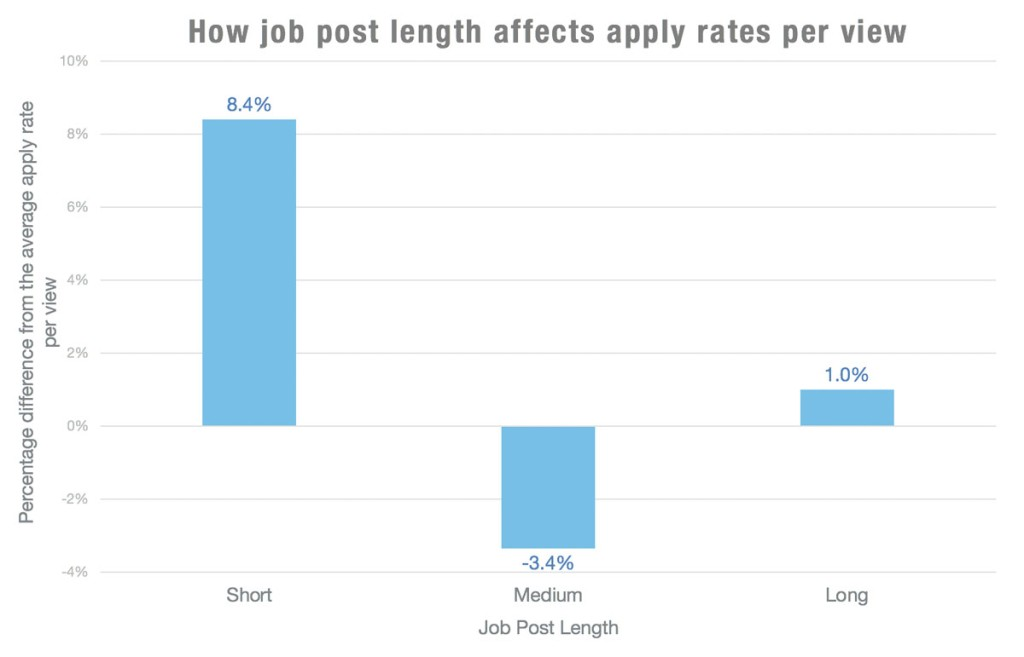
Ideally, a job description should be under 500 words and have 5-10 bullet points. This length maintains clarity and engagement. Research shows that shorter descriptions typically result in more applications.
2. Should I include salary in job descriptions?
Including salary in job descriptions can increase application rates. More importantly, it can set the compensation expectation from the outset so there are no surprises for candidates or the company after screening and interviews. Salary transparency improves candidate trust and filters unqualified applicants.
3. How many requirements are too many?
List 5-10 core requirements in a job description. More than 10 requirements is too many. Focus on essential skills and remove non-critical qualifications to maintain candidate interest and improve conversion rates.
4. What makes a job description stand out?
A job description stands out by using clear titles, specific responsibilities, and measurable outcomes. Strong descriptions also include salary, benefits, and growth opportunities. Structured formatting (small paragraphs with headers and bullet lists) and concise language increase readability and improve applicant quality.
5. How frequently should job descriptions be updated?
Update job descriptions after major role changes or yearly. Regular updates maintain accuracy and align expectations. Outdated descriptions misrepresent responsibilities, which increases turnover risk.
Conclusion
Creating job descriptions that attract top talent requires more than listing responsibilities and qualifications. Clear job titles, transparent compensation, realistic requirements, and candidate-focused language help attract qualified applicants while reducing hiring friction.
By making job posts concise, informative, and aligned with candidate expectations, organizations can improve application quality, strengthen employer branding, and fill positions faster. Regularly reviewing and updating job descriptions ensures they remain accurate, competitive, and effective in today’s evolving job market.