The key difference between a Full Stack Developer and a Software Engineer lies in their focus:
Full Stack Developers work across both the front end and back end of applications, while Software Engineers concentrate on designing, building, and maintaining robust software systems, often at a deeper architectural level.
Both roles are essential in the tech industry, but they suit different interests, skills, and career goals. Full Stack Development is ideal for those who enjoy versatility and building complete products end to end, whereas Software Engineering is better suited for those who prefer problem-solving, system design, and working on complex, scalable software.
I. Understanding the Foundations: Defining Roles
Let’s start by untangling the key difference between two tech industry heavyweights: Full Stack Developers and Software Engineers. While these terms are often used interchangeably, they’re not quite the same. Let me explain it in a way that feels like two friends chatting over coffee.
Think of Full Stack Developers as the Swiss Army knives of the programming world. They’ve got their hands in both the front-end (everything you see and interact with on a website or app) and the back-end (the hidden pieces that make everything work, like the server and database). Picture someone who can design a flashy user interface, connect it to a database, and blend these layers seamlessly. It’s a pretty versatile role.
Now, Software Engineers, on the other hand, are more like architects and planners for complex software systems. They focus on designing, building, and maintaining robust programs, applications, or systems. Software engineers have a broader lens, often diving into algorithm design, scalability, and maybe even groundbreaking technologies like artificial intelligence. Theirs is a craft heavily rooted in computer science principles and engineering methodologies.
So, What Makes Them Unique?
While overlap exists, their approaches and areas of focus are the key points of differentiation:
- Full Stack Developers: They’re your go-to for end-to-end solutions, especially handy in smaller teams or startups where versatility is the name of the game. They juggle HTML, CSS, JavaScript, and server-side scripting, among other tools, to ensure every layer of the project runs smoothly.
- Software Engineers: These pros might specialize in things like backend systems, networking, or advanced software architecture. Their job is less about mixing creative web design with coding and more about creating efficient, science-driven solutions to complex problems.
Let’s Use a Quick Analogy
If software development were a theater production, the Full Stack Developer would be the person who can write the script, design the set, act, and even manage the lighting. Meanwhile, the Software Engineer would be the mastermind creating the theater’s infrastructure and ensuring everything from the stage to the sound system holds steady for years to come. Different roles, but both essential in their own right.
Why Does Distinction Matter?
Understanding these roles helps you zoom in on what aligns better with your interests, skills, and career aspirations. For instance, if you thrive on creativity and enjoy building a product from start to finish, Full Stack Development might be more your jam. However, if you relish problem-solving, enjoy designing efficient systems, or crave diving deep into technical challenges, Software Engineering could be your path.
In a nutshell, both roles are critical in the tech ecosystem. The choice between Full Stack Developer and Software Engineer isn’t about ranking one as “better” than the other—it’s about recognizing that they each shine uniquely, playing pivotal roles in creating and supporting the tech-powered world we live in.
In the coming years, both fields will continue evolving and growing. So if you’re looking to step into one of these shoes, start by asking yourself: What excites me the most? Happy exploring!
II. Skill Sets Explained: What They Bring to the Table
Full stack developer vs software engineer. Who brings what to the table? Like starring roles in a movie, both are essential for a stellar production, but their “scripts” differ significantly. Let’s delve into their skill sets and explore how they shine in their respective domains. Ready? Let’s go!
Full Stack Developers: The Swiss Army Knives of Tech
First up, we have the full stack developers, think of them as the tech world’s ultimate multitaskers. Being “full stack” means they’re adept at handling both the frontend (the shiny, user-facing parts of a website or app) and the backend (the powerful machinery running behind the scenes). It’s a bit like being fluent in two different tech languages at once!
Here’s a breakdown of their key skills:
- Frontend Development: Full stack developers often wield tools like HTML, CSS, and JavaScript with finesse. They know how to build responsive, user-friendly interfaces using frameworks like React, Angular, or Vue.js.
- Backend Expertise: They’re equally comfortable working with server-side programming languages such as Node.js, Python, Ruby, PHP, or Java. Take databases? They handle SQL or NoSQL databases with ease.
- APIs: Understanding APIs (how software components talk to each other) is second nature to them. They may create RESTful APIs or GraphQL endpoints to link the various parts of their projects.
- DevOps Knowledge: Many full stack developers are familiar with servers, hosting, and even working within cloud environments like AWS or Azure. They might also dabble in CI/CD pipelines for smoother deployments.
- Hustle and Curiosity: Full stack developers tend to embrace a “jack of all trades” mindset. They’re problem solvers who won’t hesitate to learn new tools or frameworks to get the job done.
Does this sound exciting but a tad overwhelming? It can be! The well-rounded nature of the role requires full stack developers to constantly hone diverse skills. But it’s perfect for those who enjoy variety in their work.
Software Engineers: The Architects of Functionality
Now let’s shift gears to the software engineers. If full stack developers are the Swiss Army knives, software engineers are the master planners, architects who are laser-focused on creating solid foundations and elegant solutions to big, complex problems.
Here are the skill sets that make software engineers top-notch:
- In-Depth Programming Expertise: Software engineers specialize in developing robust, efficient, and scalable systems. They often work deeply with one or more general-purpose programming languages, such as Java, C++, Python, or Go, striving for clean and optimized code.
- System Design: They’re skilled at creating blueprints for software systems. This could involve designing architectures that scale, minimize latency, or handle complex user flows (not easy, believe me!).
- Algorithm Design & Data Structures: Proficiency in algorithms and data structures is table stakes for software engineers. These skills enable them to write software that’s not just functional, but also efficient and future-proof.
- Domain-Specific Expertise: Depending on the industry (finance, healthcare, AI, gaming, etc.), software engineers often develop specialized knowledge that aligns with specific demands.
- Collaboration: While full stack developers collaborate too, software engineers often work on multidisciplinary teams, co-building solutions with product managers, data scientists, and other engineers.
Software engineers are meticulous, and their expertise often spans years of intense study and hands-on experience. If the idea of solving larger-than-life puzzles excites you, then this might just be your niche!
What’s the Verdict?
So, here’s the deal: both full stack developers and software engineers come equipped with powerful, albeit different, arsenals of skills. Full stack developers bring versatility and adaptability across the tech stack, while software engineers dive deep to build uber-reliable, cutting-edge platforms.
III. Tools and Technologies: A Comparative Approach
When diving into the world of full stack developers and software engineers, the tools and technologies they wield become a fascinating focal point. Whether you’re considering a career in one of these roles or simply curious about their technical arsenals, it’s imperative to understand how their toolkits compare. Let’s break it down in a way that’s both engaging and enlightening!
Full Stack Developers: The Jack-of-All-Tech Trades
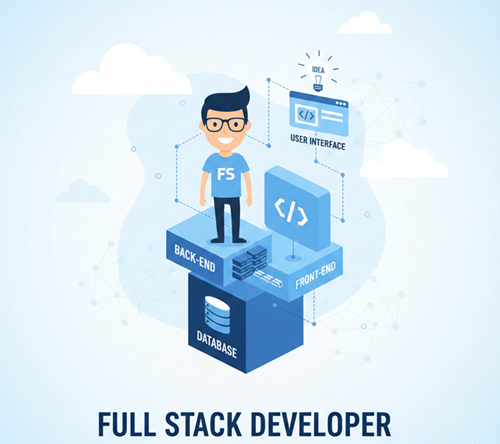
Full stack developers are like the Swiss Army knives of the tech world. Their work spans both the front-end (the user-facing side) and the back-end (the server and database infrastructure) of software and websites. To accomplish this, they need to be proficient with an impressive array of tools and technologies:
- Front-end Tools: Languages like HTML, CSS, and JavaScript are the foundation. For more dynamic interfaces, they may rely on frameworks and libraries like React, Angular, or Vue.js.
- Back-end Technologies: They make use of back-end programming languages such as Node.js, Python (Django, Flask), Ruby (Rails), or PHP. These technologies handle server-side logic and APIs.
- Databases: Full stack developers are comfortable navigating databases, whether it’s SQL-based (MySQL, PostgreSQL) or NoSQL counterparts (MongoDB, Firebase).
- Version Control & Collaboration: Tools like Git and GitHub are their lifelines for managing code changes and working collaboratively in teams.
- DevOps and Deployment Tools: Docker, Kubernetes, and CI/CD pipelines come into play when it’s time to streamline code testing and deployment to production environments.
A full stack developer’s toolkit is vast because they are usually tasked with building complete applications from the ground up, juggling both design considerations and behind-the-scenes logistics.
Software Engineers: Specialized and Precision-Oriented
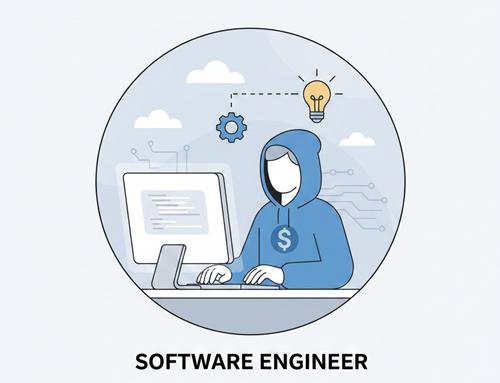
In contrast, software engineers often have a more targeted focus. While their scope can vary depending on their role, they tend to specialize in either systems programming, application development, or back-end engineering. Their tools reflect this deeper specialization:
- Programming Languages: Software engineers frequently work with languages like Java, C++, Python, or C#. These are more versatile and often more suited for heavy-duty tasks, such as algorithm development or systems software.
- IDEs and Debuggers: Integrated Development Environments (IDEs) like IntelliJ IDEA, Visual Studio, or Eclipse are their go-to for efficient coding and debugging.
- Algorithms and Data Structures: As problem-solvers, software engineers are well-versed in tools and libraries that facilitate algorithm design, machine learning, or complex systems modeling.
- Testing Tools: Automated testing frameworks (e.g., Selenium, JUnit) ensure their code quality remains pristine, especially in large-scale applications.
- System Design Utilities: They often use diagramming software like Lucidchart or draw.io to craft detailed system architecture before development begins.
Their work may not always straddle both front-end and back-end, but their attention to precision, efficiency, and solutions ensures robust, scalable software that performs under pressure.
How the Two Approaches Collide and Complement
It’s worth noting that these paths aren’t strictly separate. Tools like Python and JavaScript are popular in both domains. A full stack developer might dabble in high-level system design, while a software engineer might pitch in on front-end optimization for a project.
Takeaway Tip: If you’re choosing between these paths, ask yourself: “Do I want to master an entire ecosystem or go deep into specific systems within that ecosystem?” Your answer may guide which toolkit – and ultimately, which career – suits you best.
Ultimately, both full stack developers and software engineers are tech titans in their own right, united in their goal of creating incredible solutions. What sets them apart is how they adapt and deploy their tools to get the job done.
IV. The Work Environment: From Team Dynamics to Project Scope
When it comes to the work environment, both Full Stack Developers and Software Engineers find themselves immersed in diverse and challenging settings. However, there are noticeable differences in how their roles align with team dynamics, collaboration styles, and the overall scope of the projects they tackle. Let’s explore these distinctions and see how they function in their unique corners of the tech world.
Team Dynamics: Collaboration is Key
If you’re a people person and love working with multiple teams, the role of a Full Stack Developer might suit your vibe. Full Stack Developers often act as bridges between front-end (what you see on a webpage) and back-end teams (what’s under the hood). They speak both “design” and “data” fluently, which often positions them as the go-to problem solvers who keep communication flowing across collaborators.
On the other hand, Software Engineers may often work in more specialized settings. They tend to contribute to specific components of a larger system, collaborating deeply in engineering-heavy teams that focus on architecture, performance, and scalability. This concentration allows them to do some serious deep dives into coding and problem-solving that might not require them to hop between vastly different areas of development.
Project Scope and Variety
Here’s where it gets interesting: Full Stack Developers often need to juggle multiple balls at once. Imagine working on a client’s website design in the morning and troubleshooting a server-side issue by the afternoon. Because of this varied task list, Full Stack Developers frequently hop between small to medium-sized projects or manage full life-cycles of a product, from ideation to launch.
Software Engineers, however, might find themselves working on projects with a laser-focused scope but a much larger scale. Whether it’s optimizing an algorithm for a search engine or developing a robust cloud platform, their work typically delves into the technical engineering side of things. This also means their projects may take longer to complete, requiring an intense amount of expertise in specific technical aspects.
Workplace Settings: Startup vs Enterprise
Where a professional works also influences their day-to-day environment. Full Stack Developers often thrive at startups and smaller companies where multitasking and cross-disciplinary skills are prized. These settings encourage flexibility and creative problem-solving since your hands will be in every aspect of development.
Alternatively, Software Engineers frequently find themselves at larger companies or enterprises focusing on extensive, long-term systems. Here, roles may be more segmented, and teamwork can revolve around task-specific engineering teams. Their deep technical knowledge in areas like algorithms, databases, and system design becomes crucial for creating high-performance solutions.
V. Career Growth Perspectives: Charts and Pathways
When it comes to career growth as either a Full Stack Developer or a Software Engineer, the journey can be as exciting as it is rewarding. But understanding the progression pathways and the opportunities available to you can make all the difference. Let’s break it down and explore how these roles evolve over time.
Think of Career Growth as a Roadmap
Picture this: you’re on a road trip, and you have two options. One path (a Full Stack Developer) is winding, merging lanes, and takes you through various terrains—web development, backend systems, design, databases. The other (a Software Engineer) is a highway with specialized exits—algorithms, system architectures, or niche software development domains. Both paths lead to incredible destinations, but your vehicle (skill set) ultimately decides how smooth the ride is.
For Full Stack Developers
Full Stack Developers often find themselves dabbling across multiple areas of application development, and this ability to move fluently among different stacks of technology opens extensive pathways for growth:
- Technical Leadership: Over time, experienced Full Stack Developers often pivot into roles like Technical Leads or Engineering Managers. Their “big picture” perspective makes them a natural fit for projects that require managing cross-functional teams.
- Product Ownership: Being well-versed in both the frontend and backend of applications allows developers to branch into roles where they influence the vision and execution of a product, as Product Managers.
- Freelancing or Entrepreneurship: The versatility of a Full Stack Developer provides the tools needed to take on freelance projects or launch their own startups, giving them independence and creative control.
For Software Engineers
Software Engineers, with their often-specialized knowledge base, have an entirely different set of career trajectories. While they may not wear as many hats as Full Stack Developers, their goals often align with deep-diving into technical mastery:
- Specialization: Many Software Engineers opt to specialize in areas like Artificial Intelligence, Cybersecurity, or Cloud Computing, becoming in-demand experts in these fields.
- Architectural Roles: With experience, Software Engineers may transition into software architect positions. In these roles, they design and oversee complex systems and ensure scalability, efficiency, and durability.
- Research and Development: Those passionate about groundbreaking technology may lean into R&D roles, working on cutting-edge projects in technology-heavy industries like aerospace or healthcare.
Climbing the Ladder: Flexibility vs. Depth
Full Stack Developers are often praised for their flexibility and adaptability, whereas Software Engineers are valued for their depth of knowledge in specific domains. What’s your preference? Are you someone who enjoys juggling multiple roles, or do you want to drill down into one technical area and become an expert?
Accelerating Your Path with Certifications and Continuous Learning
Regardless of the path you choose, there’s one piece of advice that applies universally: never stop learning. Certifications such as AWS for infrastructure, React for frontend, or machine learning courses for AI can provide significant leverage. Platforms like Coursera, edX, and YouTube can guide you through acquiring new skills without breaking the bank.
VI. Salaries and Demand: Crunching the Numbers
Let’s talk about one of the million-dollar questions, or, at least, the one that makes most of us curious: how much can you earn as a Full Stack Developer or a Software Engineer? And while we’re at it, is one career path more in demand than the other? Grab a cup of coffee, and let’s dive into the numbers together!
How Do Salaries Compare?
Both Full Stack Developers (FSDs) and Software Engineers (SEs) earn competitive salaries, thanks to their high-demand skill sets and the integral roles they play in the tech industry. However, slight variations exist depending on location, industry, company size, and experience.
- Full Stack Developers: On average, Full Stack Developers in the United States earn between $85,000 and $130,000 per year, with top developers crossing into higher six-figure incomes. Their versatility in handling both front-end and back-end tasks often makes them highly coveted, especially in startups where one person wearing many hats is a bonus.
- Software Engineers: Software Engineers, on the other hand, have a slightly broader range, with average salaries falling between $85,000 and $140,000 annually. Specialists in a particular area, such as machine learning or cybersecurity, can break into even higher pay brackets.
It’s safe to say that neither career leaves you worrying about rent, and both offer the potential for financial growth as you gain more experience and expertise in your domain!
Demand: Where Do They Stand?
Demand for tech roles is through the roof, and guess what? Both Full Stack Developers and Software Engineers are riding that wave of opportunity. Here’s what job trends and the marketplace are saying:
- Full Stack Developers: Companies are leaning heavily into hiring Full Stack Developers from reputable software development companies like Aegis Softtech, Nexsoftsys, etc., because of their ability to manage multiple parts of the software development process. Whether it’s building a sleek new user interface or setting up robust databases, FSDs bring a lot of adaptability to the table. Especially as tech startups explode globally, these “jack-of-all-code” professionals are in high demand.
- Software Engineers: With software underpinning virtually every industry nowadays—from healthcare to entertainment—Software Engineers remain the backbone of modern tech. Their specialized skills in designing and developing complex systems mean they’re indispensable for established tech giants and innovation-driven startups alike.
Glassdoor Insight: Hiring and Job Posts
A quick search on platforms like LinkedIn or Glassdoor reveals some staggering numbers. You’ll find thousands of job listings for both roles, often with perks like remote work options, Phantom stock options, and professional development opportunities. Here’s a nugget for you: according to recent reports, roles for Full Stack Developers are growing at a rate of about 28% annually, while the demand for Software Engineers continues to grow steadily at nearly 21% annually. Either way, the job market is buzzing for both career paths.
So, What Does This Mean for You?
If you’re eyeing a career in tech, the salaries and demand for Full Stack Developers and Software Engineers should give you peace of mind. Whether you decide to become a multi-talented generalist or specialize in engineering intricate systems, your skill set will be highly valued.
And here’s the best part, both roles offer not just generous paychecks, but also incredible job stability and opportunities for global exploration. So, go wherever your passion leads; the numbers are definitely on your side!
VII. Choosing Between the Two: Factors to Consider
Finding yourself torn between pursuing a path as a Full Stack Developer or a Software Engineer? You’re not alone, it’s a decision that trips many aspiring tech professionals! But don’t worry, I’m here to help you navigate this crossroads with a friendly chat on what factors to consider. Grab your coffee (or tea), and let’s dive in.
1. Your Interests and Passion
First and foremost, what excites you the most? Do you find joy in working on user experiences, designing responsive interfaces, and crafting cohesive front-to-back solutions? Then, being a Full Stack Developer might be your calling. On the flip side, are you fascinated by algorithm design, software architecture, and deep-diving into specific systems like databases or network applications? If yes, the title of Software Engineer could be your perfect fit.
Take a moment to reflect on the type of projects you’re passionate about. Even better, try dabbling in both fields through online courses or project collaborations before cementing your choice!
2. Career Goals and Aspirations
Think long-term: Where do you see yourself in five or even ten years? The nature of these roles could make a difference in your goal-setting.
- A Full Stack Developer role often appeals to those who enjoy generalist positions, where you touch different layers of an application.
- Software Engineers, by contrast, might lean toward specializing in a particular domain, like cloud computing, artificial intelligence, or system optimization.
One job isn’t inherently better than the other—it’s about aligning the role with your vision for success. Picture the future, and the path may feel less foggy!
3. Learning and Development Preference
Here’s a biggie: How do you prefer to learn and grow in your career? If you relish wearing multiple hats, juggling various technologies, and picking up new frameworks on a regular basis, you’ll thrive in the ever-evolving world of Full Stack Development. It offers constant variety and creative challenges.
On the contrary, Software Engineering might appeal to those who prefer diving deeper into specific technical subjects. It’s like choosing between being a jack-of-all-trades versus becoming a master of one, or maybe even a few, over time!
4. Market Opportunities Where You Live
Here’s a practical tip: Consider the job market and industry demand in your area. Do a quick search on platforms like LinkedIn or your local job boards. Are there more listings for Full Stack Developers or Software Engineers? Which skills seem more in demand?
Demand can vary significantly based on location and industry trends. For instance, tech startups might lean more heavily on versatile Full Stack Developers, while larger companies could often be on the lookout for skilled specialist Software Engineers.
5. Work-Life Balance Preferences
Your desired work-life balance is another important piece of the puzzle. Full Stack Developers may need to juggle multiple responsibilities simultaneously, which can occasionally come with the pressure to deliver quick fixes across the stack.
Software Engineers, on the other hand, might experience a more focused workload, as their tasks are often more specialized and, thus, confined to specific domains.