
Modern facility directors increasingly deploy high-resolution sensor tech to evaluate structural integrity and prevent secondary water damage following storms.
Being a commercial building is far from easy. It is constantly facing all kinds of pressure, coming from aging materials, changing weather, and the needs of daily operations. Even though basically everyone can notice massive roof damage, as well as water intrusion, the truth is that some of the biggest roof-related problems usually go unnoticed until something seriously goes wrong.
For example, moisture can move between roofing membranes, saturate insulation, and cause many other issues that can cause havoc, yet aren’t visible in the beginning. That’s probably why a vast majority of homeowners are yearning for solutions that are going to help them detect even the tiniest problem before it escalates.
Today, you can come across commercial operators who are spending staggering amounts of cash on tools that are intended to detect any issue on time before it turns into a gargantuan structural concern.
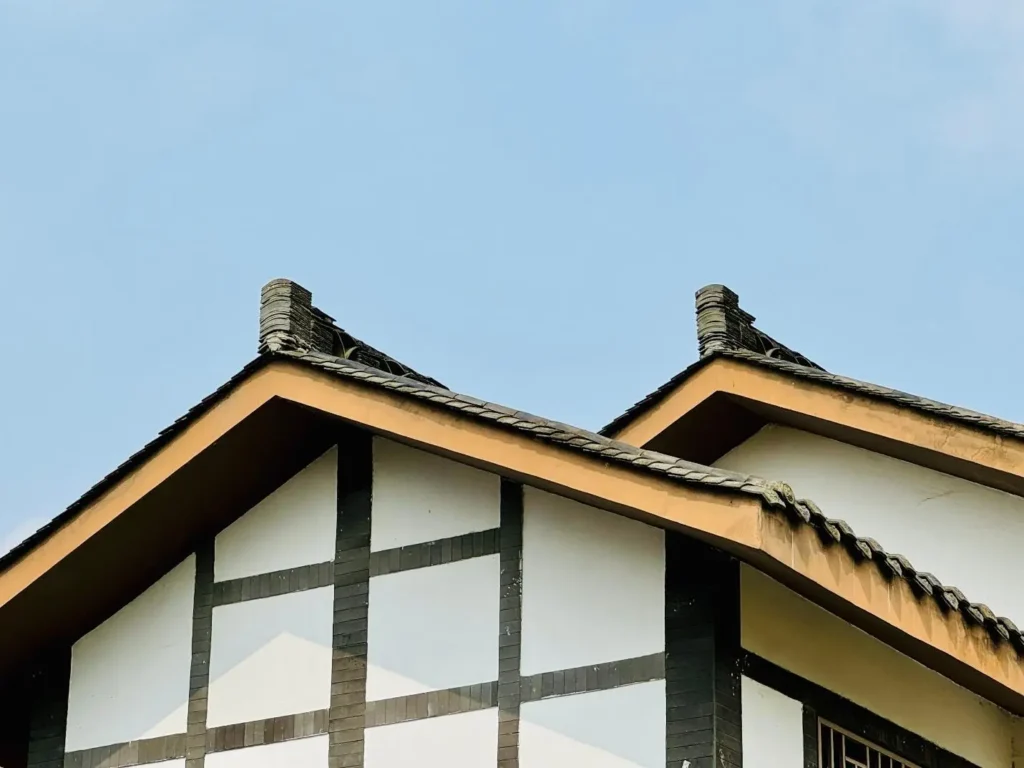
Why Hidden Leaks Are Supposed To Be Taken Seriously?
Water intrusion inside a commercial building is rarely restricted to the exact spot where you first spot a dripping ceiling. A tiny gap around a roof pipe, cracked flashing, or a worn-out waterproofing layer gives moisture a free pass to go inside and travel along hidden structural beams.
Gravity, wind pressure, and the natural slope of your roofing materials can easily carry water shockingly far from its original entry point. Because water is incredibly sneaky, a damp ceiling tile doesn’t automatically mean you have a hole directly above it.
A leak could easily start at a distant roof seam, trickle along the underside of the metal deck, and pool up in a completely different section of the facility. This frustrating reality makes inspecting and tracking down the source of water damage a massive headache.
If your maintenance crew only patches up the visible soggy spots, they will likely fix the wrong area while the actual source continues to pour water inside. This endless cycle of surface-level patching rapidly drives up your repair costs without ever actually solving the core problem.
Meanwhile, that hidden moisture is quietly rotting out wood, destroying insulation, corroding steel infrastructure, and creating a perfect breeding ground for toxic mold growth. Over time, prolonged exposure to a hidden leak can completely compromise the overall structural safety of your entire building.
For commercial properties, the fallout goes way beyond basic physical damage to the walls and foundation. Water intrusion can instantly derail your daily business operations, frustrate your tenants, ruin expensive inventory, and trigger massive legal liability concerns.
That is why tracking down the root cause of a leak early is absolutely vital for protecting your real estate investment and keeping your business running smoothly. Investing in a thorough, professional inspection to catch the source before it spreads saves you a fortune in long-term remediation.
At the end of the day, a proactive defense is the only way to keep a small drip from turning into an absolute financial nightmare.
When Roofing Repairs Join Forces With Diagnostic Solutions
Detecting moisture is something that’s done at the beginning. Facility managers should translate inspection findings into the right repair decisions that will uncover the real source of water intrusion.
This is particularly essential after harsh weather. Wind, falling debris, hail, and heavy rainfall can potentially destroy roofing materials in ways that may not be visible right away. At least not from the ground.
You’ll see that a membrane has a tiny puncture, or that drainage parts have changed without making an obvious opening. If something like this happens, repairing storm-damaged commercial roofs requires a systematic approach that represents a mixture of physical inspection with diagnostic evidence. Contractors can employ available test results to unveil regions that may need further examination, determine if insulation has been affected, and then set the scope of restoration.
The most suitable response in these types of situations depends on the nature of the damage. A localized defect may be repairable without disrupting the surrounding system, while extensive moisture intrusion may need getting rid of affected materials and then replacing them.
Any structural concern requires an additional assessment by someone who is experienced when it comes to this. Once the repair is done, a follow-up inspection is necessary to verify the work and then determine a reference point for future supervision. All of this makes a more complete process: diagnosis, repair, and so on.
What Do We Know About Infrared Thermography?
Infrared thermography is an incredible high-tech tool for tracking down hidden moisture problems inside commercial buildings without tearing things apart. Specialized thermal imaging cameras detect invisible infrared radiation and showcase precise temperature variations across a roof’s surface.
This allows professional inspectors to instantly spot unusual heat patterns that deserve a much closer look. On standard commercial roofs, water trapped inside the insulation layer completely changes how fast those specific areas heat up or cool down compared to the dry sections around them.
Under the right weather conditions, these distinct temperature gaps show up on screen as glaring thermal anomalies, giving inspectors a roadmap to potentially wet zones. This visual shortcut saves massive amounts of time by showing crews exactly where to focus their attention.
Thermal imaging is an absolute lifesaver when you need to audit massive warehouses or sprawling flat roofs that would otherwise take days to inspect by hand. Instead of wasting time manually probing every single square foot of the facility, technicians use the camera’s bird’s-eye view to scan huge areas in minutes and flag suspicious hot spots.
However, it is crucial to remember that a thermal anomaly on its own is not definitive proof of an active leak. Slight temperature variations can also be caused by normal shifts in insulation thickness, shadows from nearby trees, heat radiating from HVAC units, or simple airflow across the roof.
The actual success of the scan depends heavily on the local weather, the specific materials your roof is made of, and the timing of the inspection. For a thermal scan to work best, the roof usually needs to bake in the sun all day and be scanned at night as the surface cools down.
Because so many variables are at play, infrared findings should always be interpreted by certified professionals and backed up with real-world testing. Truly smart property managers combine thermal imaging with moisture meters or physical core samples to get a completely reliable picture of their building’s health.
Taking this comprehensive approach ensures you pinpoint the exact source of a leak before spending money on unnecessary repairs.
The Drawbacks Of Typical Roof Inspections
Visual inspection is one of the most integral parts of commercial building maintenance. That’s because seasoned inspectors can uncover damaged membranes, loose flashing, ruined sealants, etc.
Although there’s no doubt that visual assessments are great, what you need to understand is that they’re far from perfect. Roofing systems typically come with multiple layers, including insulation, waterproofing membranes, structural decking, and vapor control parts.
At first glance, you may think that a roof is intact, but you probably do not realize that moisture has already entered the layers below it. You may be dealing with the same issue around facades, windows, expansion joints, underground structures, and mechanical installations.
Water may go through small defects that cannot easily be distinguished from normal aging. Access may be a challenge as well. Massive commercial roofs may cover large areas, while mechanical equipment and rooftop installations can disrupt specific sections.
Interior wall cavities, along with the concealed service spaces, may be hard to inspect without needing to open finished surfaces.
Electronic Leak Detection May Enhance Accuracy
Electronic leak detection is another incredible way to hunt down hidden defects in modern waterproofing systems. Depending on your specific roof setup, this advanced technology can locate microscopic tears in a protective membrane that would be completely impossible to find with the naked eye.
It takes the guesswork out of roofing maintenance, saving you from the nightmare of tearing up perfectly good sections of your building. Some of these systems work by utilizing electrical conductivity to find the exact paths where water is sneaking through to reach a conductive layer beneath the outer membrane.
Other high-tech approaches use specialized high-voltage sweep testing or custom equipment designed for specific, compatible roofing materials. These clever techniques are absolute lifesavers when your rooftop looks completely flawless from the outside, but water continues to mysteriously drip into your building below.
Instead of chasing water stains across your ceiling tiles, technicians can use these electrical currents to test the waterproofing layer directly. However, compatibility is a massive factor you have to consider before booking a scan.
Not every electronic detection method will work with every type of roof, and messy site conditions or debris can easily limit which approach is appropriate for your property. To get accurate results without damaging your warranty, the testing must strictly follow the system manufacturer’s instructions and be handled by certified professionals.
When used correctly, electronic leak detection dramatically shrinks the physical area that actually needs a patch, allowing for highly targeted and inexpensive repairs.
Commercial facilities are leveraging diagnostic technology all the time lately whenever they want to detect hidden structural leaks before they turn into major building issues because they are aware of how effective and useful it is.