
Social media has become the backbone of modern business marketing, and mastering it requires the right tools. SMO tools (Social Media Optimization tools) are software platforms that help businesses maximize their visibility, reach, and engagement on social media platforms. These powerful tools streamline everything from scheduling posts to analyzing performance metrics, making social media management efficient and effective.
In today’s digital landscape, every business needs SMO tools to boost their online presence, connect with audiences, and drive results. This comprehensive guide covers everything you need to know about SMO, why it matters, and the top 7 SMO tools you should use in 2026 to transform your social media strategy.
In this article, you’ll discover what Social Media Optimization (SMO) is and why it’s essential for business success, explore the key advantages and uses of SMO tools, learn effective SMO strategies across different platforms like Facebook, Instagram, Twitter, and LinkedIn, understand the psychology behind successful SMO, and get detailed comparisons of the top 7 SMO tools in 2026 including their features, benefits, and pricing. Whether you’re a beginner or an experienced marketer, this guide will help you choose the right SMO tools to maximize your social media presence and achieve your marketing goals.
What is Social Media Optimization (SMO)?
Social Media Optimization (SMO) is a comprehensive set of techniques and strategies designed to maximize visibility and reach on social media platforms. Think of SMO as the foundation of your social media success, it’s the process of making your profiles, content, and interactions as effective and discoverable as possible.
SMO involves optimizing every aspect of your social media presence, including your profiles, posts, images, videos, and engagement strategies. The goal is to increase engagement (likes, comments, shares), drive website traffic from social platforms, and generate qualified leads for your business. Unlike paid advertising, SMO focuses on organic growth and building genuine relationships with your audience.
When you implement SMO effectively, you’re not just posting randomly, you’re creating a strategic approach that helps your content reach the right people at the right time. This includes optimizing your profile information with relevant keywords, using eye-catching visuals, writing compelling captions, timing your posts for maximum impact, and actively engaging with your community.
Best SMO Tools in 2026
Here are the top 7 SMO tools that will transform your social media management in 2026:
Quick Comparison Table
| Tool | Best For | Pricing Range | Key Feature |
| Hootsuite | All-around management | $9.99-$499/month | Built-in analytics dashboard |
| Buffer | Beginners | Free-$99/month | Automated scheduling |
| Sprout Social | Enterprise | $99-$249/month | Multi-network management |
| Sendible | Teams | Multiple plans | User-friendly dashboard |
| SocialPilot | Small businesses | $50-$250/month | Content curation |
| Agora Pulse | Budget-conscious | Free-$499/month | Automated moderation |
| Sprinklr | Large enterprises | Free-$499/month | Sentiment insights |
1. Hootsuite
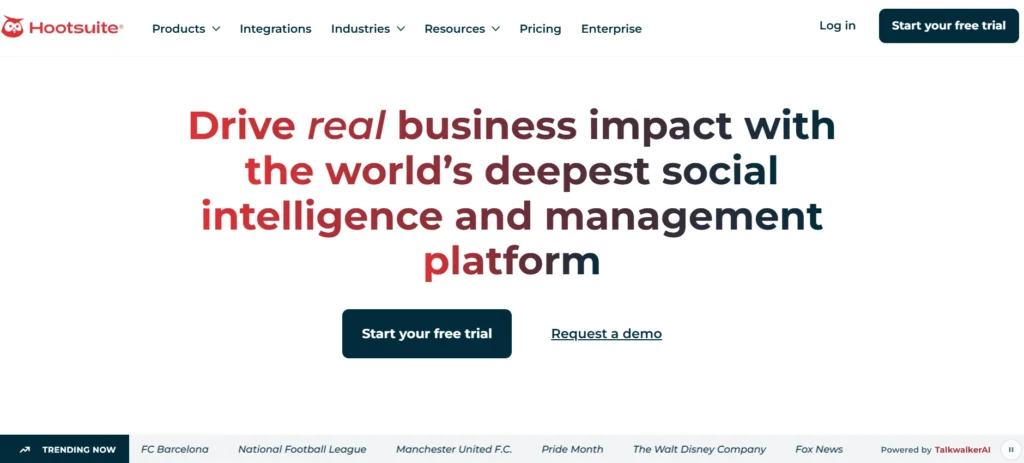
Best for: All-around social media management
Features
- Built-in analytics dashboard
- Automated scheduling feature
- Collaboration tools for teams
- Customizable reports and visualizations
- Integration with multiple platforms
Key Benefits
- Manage and optimize campaigns effectively
- Track performance via comprehensive analytics dashboard
- Strong security and privacy settings
Pricing
- Free plan for beginners
- Paid plans: $9.99/month to $499/month
2. Buffer
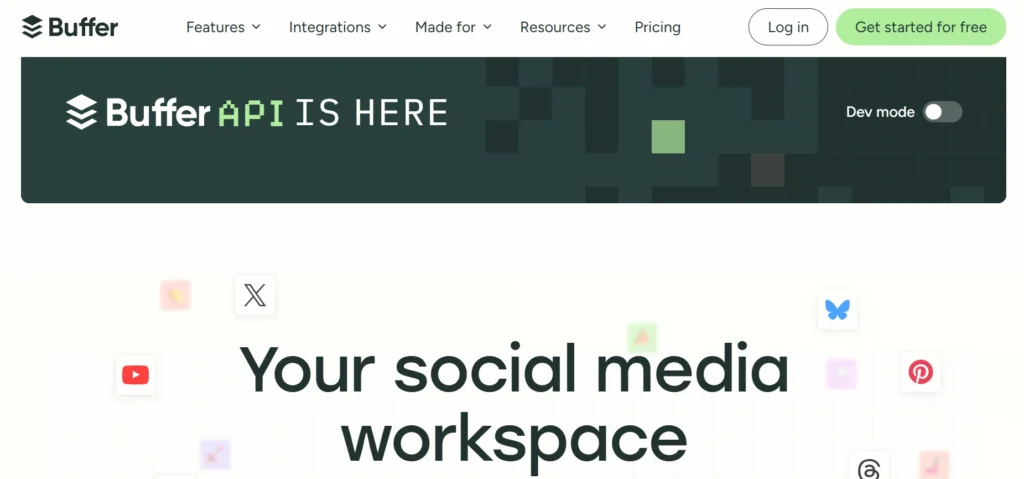
Best for: Beginners and small teams
Features
- Automated scheduling
- Analytics and insights
- Optimized post-publishing
- Content curation tools
- Team collaboration features
Key Benefits
- Central place for all social media presence
- Track performance with detailed analytics
- Streamline team collaboration easily
Pricing
- Starter: Free (1 user)
- Pro: $15/month (up to 8 users)
- Premium: $99/month (unlimited users)
3. Sprout Social
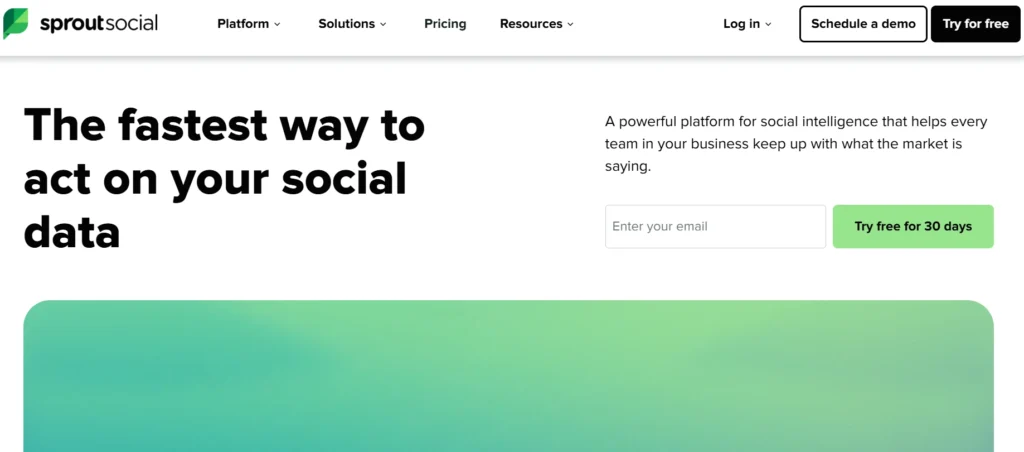
Best for: Enterprise businesses
Features
- Manage multiple networks (Facebook, Twitter, LinkedIn, Instagram)
- Monitor brand mentions across platforms
- Create detailed content calendars
- Comprehensive analytics and reporting
Key Benefits
- Track and analyze campaign performance accurately
- Save time with scheduling and automation
- Get insights into industry trends and competitors
Pricing
- Standard: $99/month
- Professional: $249/month
- Free trial available
4. Coupler.io
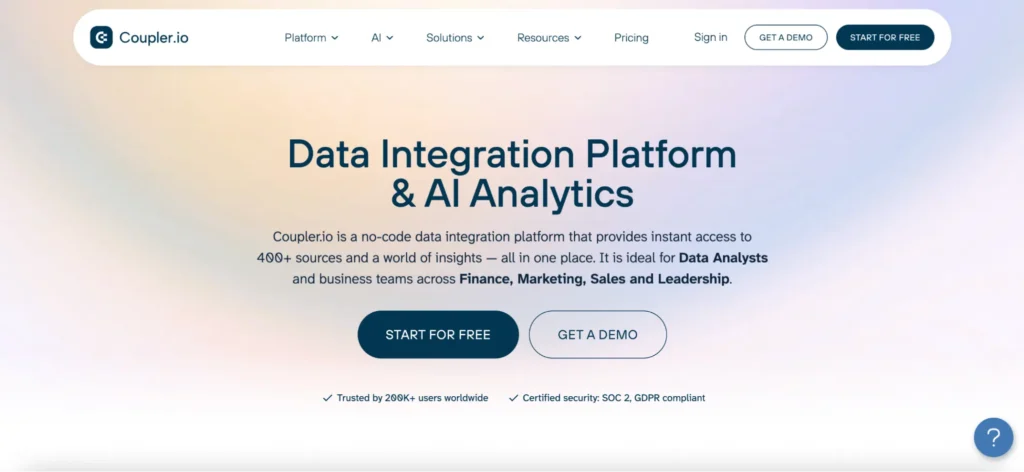
Best for: Reporting and analytics for marketing teams and agencies
Features
- 400+ data sources, including LinkedIn Ads, Google Ads, Meta Ads, GA4, and CRMs
- Automated data refreshes on a schedule, down to every 15 minutes
- Built-in transformations to blend, filter, and aggregate data across accounts
- Exports to Looker Studio, Power BI, Tableau, Google Sheets, Excel, and BigQuery
- Pre-built dashboard templates for marketing, sales, and finance reporting
Key Benefits
- Replace manual exports with pipelines that stay up to date on their own
- See cross-channel performance in one report instead of five separate ad dashboards
- Ask questions of your live campaign data without opening a BI tool
- Feed live social media data straight into your AI workflows — for example, connect LinkedIn Ads to Claude or any other AI tool
Pricing
- Free plan available (1 data source, manual refresh)
- Starter: from $24/month
- Active: from $99/month
- Pro: from $199/month
- Custom plans for agencies and enterprises; 7-day free trial on all paid plans
5. Sendible
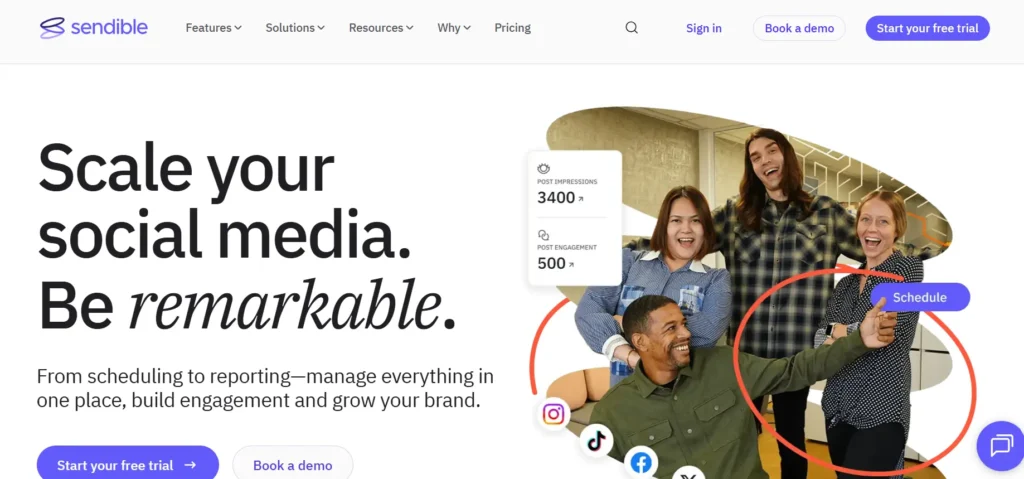
Best for: Marketing teams and agencies
Features
- User-friendly dashboard interface
- Automation tools for scheduling and publishing
- Monitor conversations and engagement
- Customizable reporting
Key Benefits
- Measure, track, and analyze campaigns effectively
- Gain detailed performance insights
- Real-time collaboration with team members and clients
Pricing
- Multiple plans from basic to enterprise level
6. SocialPilot
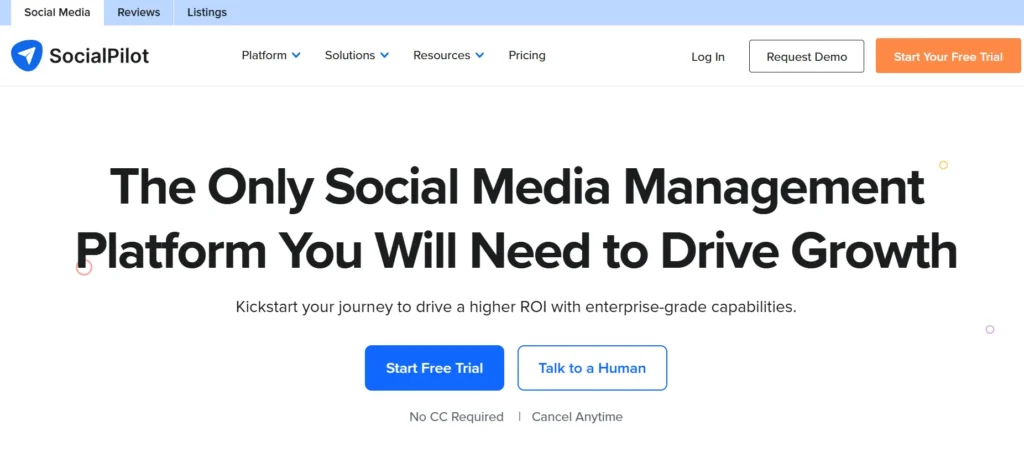
Best for: Small businesses and startups
Features
- Post-scheduling across platforms
- Content curation tools
- Analytics and reporting
- Collaboration features for teams
Key Benefits
- Save time with scheduling and content curation
- Powerful analytics for optimization
- Easier team collaboration on campaigns
Pricing
- Standard: $50/month
- Professional: $100/month
- Agency: $250/month
- 30-day free trial available
7. Magic Hour AI
Best for: Creators, marketers, ecommerce brands, and agencies looking to create engaging videos from static images.
Features
- Photo to video AI that transforms images into dynamic videos with realistic motion.
- AI-powered camera movements and cinematic animation effects.
- Browser-based platform with no advanced editing skills required.
- Includes face swap, lip sync, AI talking photos, AI video generation, and image editing tools.
- Fast video generation optimized for social media and marketing campaigns.
Key Benefits
- Turn product photos, portraits, and artwork into engaging videos in minutes.
- Simplify content creation with an intuitive, browser-based workflow.
- Produce high-quality videos without expensive editing software.
- Manage multiple AI creative tasks from a single platform.
Pricing
Free plan available. Paid plans start at $15/month (or $10/month billed annually), with Pro and Business plans available for users who need additional AI credits and advanced features.
8. Agora Pulse
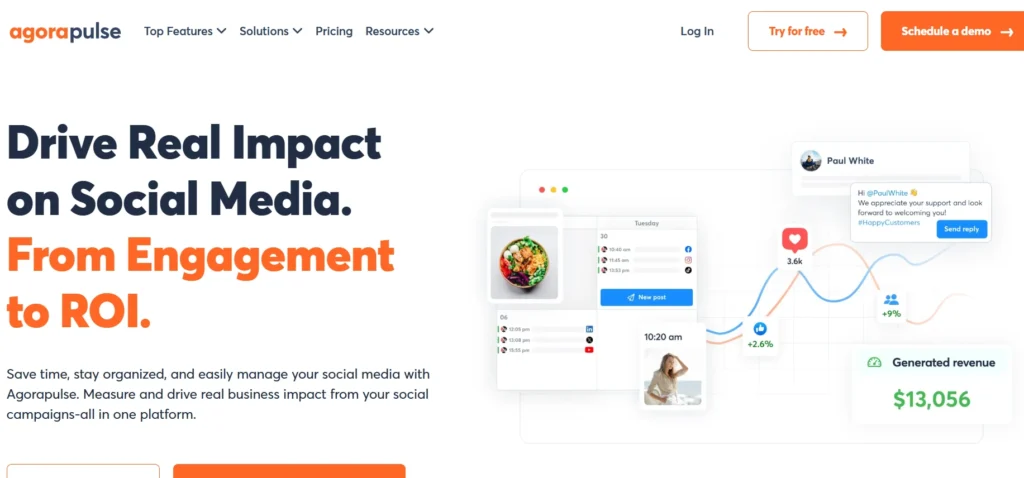
Best for: Budget-conscious businesses
Features
- Intuitive user interface
- Schedule posts and track analytics
- Manage multiple accounts
- Comprehensive dashboard
- Automated moderation system
Key Benefits
- Efficient social media management
- Reach larger audience effectively
- Measure performance and track ROI accurately
Pricing
- Basic: Free (limited features)
- Pro: $99/month
- Agency: $499/month
9. Sprinklr
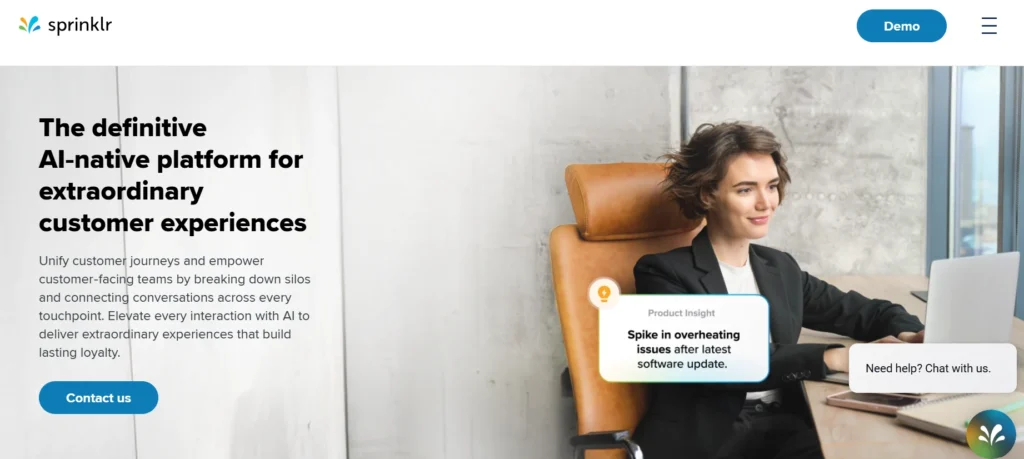
Best for: Large enterprises
Features
- Schedule and publish content
- Monitor conversations across platforms
- Track performance across networks
- Customer sentiment insights
- Competitor analysis tools
- Audience segmentation
- Visual creation tools
Key Benefits
- Easy account management
- Engage audiences effectively
- Get detailed sentiment and competitor insights
- Track performance with powerful analytics
Pricing
- Basic: Free (limited features)
- Pro: $99/month
- Enterprise: $499/month
- 14-day free trial available
The Evolution of SMO
SMO has evolved dramatically alongside the rise of social media platforms themselves, transforming from simple profile creation to sophisticated, data-driven strategies.
The Early Days (2004-2010): When platforms like Facebook and YouTube first emerged, SMO was basic,mostly consisting of creating profiles and posting occasional updates. Brands didn’t have dedicated strategies, and social media was viewed as supplementary to traditional marketing.
The Growth Phase (2010-2015): As Instagram, Twitter, and LinkedIn gained massive user bases, brands recognized the marketing potential. Companies began developing dedicated social media teams, creating content calendars, and using analytics to track performance. SMO became more strategic, with brands focusing on consistent branding and audience engagement.
The Modern Era (2015-2020): Social media platforms introduced advanced features like live streaming, stories, and shopping capabilities. SMO evolved to include video optimization, influencer partnerships, and community management. Brands started using social media as a primary customer service channel and sales driver.
The Current State (2020-Present): Today’s SMO is highly sophisticated, powered by AI-driven tools, advanced analytics, and automation. Platforms like Facebook, Instagram, Twitter, and LinkedIn have billions of users, and brands have developed comprehensive strategies to maximize marketing potential. SMO now integrates with overall digital marketing strategies, including SEO, content marketing, and paid advertising. Social media algorithms have become more complex, requiring optimized content, strategic posting times, and authentic engagement, and a strong social media brand strategy.
The evolution shows how SMO has transformed from a “nice-to-have” tactic into an essential business strategy that drives real revenue and brand growth.
Why SMO Matters
The significance of SMO extends far beyond simple posting,it’s a powerful business driver that impacts multiple aspects of your company’s success:
1. Boosts Your Digital Footprint
SMO increases your presence across multiple platforms simultaneously, making your brand visible wherever your audience spends time. Instead of relying on one website or channel, you create multiple entry points for customers to discover you.
This multi-platform presence means you’re never missing an opportunity to connect with potential customers who might be on Facebook but not Instagram, or on LinkedIn but not Twitter. A strong digital footprint also builds credibility,when customers see your brand consistently across platforms, they perceive you as established and trustworthy.
2. Improves SEO
Social media activity positively impacts search engine rankings in several ways. When you share content on social platforms, it generates backlinks to your website, which search engines consider a trust signal. Active social profiles often appear in search results themselves, giving you additional visibility. AI powered SEO tools can also help marketers analyze content performance, identify optimization opportunities, and refine their SEO strategies based on audience engagement and search trends.
Social media engagement (likes, shares, comments) signals to search engines that your content is valuable and relevant. Additionally, social media profiles are highly indexed by Google, meaning optimized profiles can rank for your brand name and keywords, pushing down competitor results.
3.Increases Brand Visibility
SMO makes your brand more discoverable to potential customers through multiple mechanisms. When you optimize your profiles with relevant keywords, hashtags, and descriptions, you appear in platform searches. Consistent posting keeps your brand in front of your audience’s minds.
When followers engage with and share your content, your brand reaches their networks too,expanding your visibility exponentially. Social media algorithms reward engaged content, showing it to more people Beyond your immediate followers. This organic amplification means you reach thousands (or millions) of potential customers without paying for ads.
4. Fosters Recognition
SMO builds consistent brand identity across all platforms, which is crucial for brand recognition. When customers see the same colors, logos, messaging style, and tone across Facebook, Instagram, Twitter, and LinkedIn, they immediately recognize your brand. This consistency builds trust and makes your brand memorable.
Without consistent SMO, your brand might appear as different entities on different platforms, confusing customers and weakening your brand identity. Consistent SMO also helps establish your brand voice,whether authoritative, friendly, humorous, or professional,making you stand out from competitors.
5. Creates Personal Connections
SMO helps brands connect with audiences on a deeper, more personal level than traditional marketing ever could. Social media allows direct, real-time communication between brands and customers. You can respond to comments instantly, answer questions publicly (showing other customers you’re responsive), and engage in conversations that build relationships. This personal touch makes customers feel valued and heard, increasing loyalty.
When customers see your brand’s human side,through behind-the-scenes content, employee stories, or authentic responses,they develop emotional connections that drive long-term loyalty. Personal connections also turn customers into advocates who willingly promote your brand to their networks.
Common SMO Techniques
Effective SMO involves several key activities that work together to create a comprehensive optimization strategy:
1.Creating Engaging, High-Quality Content
Content is the foundation of SMO. Your content must be engaging, valuable, and visually appealing to capture attention in crowded social feeds. High-quality content includes well-written posts, professional images, polished videos, and informative graphics that align with your brand identity.
Engaging content sparks conversations, encourages shares, and keeps followers coming back. This means understanding your audience’s needs, pain points, and interests, then creating content that addresses them. Content types vary by platform: Instagram thrives on stunning visuals and short videos, Twitter on concise, timely messages, Facebook on diverse content mixes, and LinkedIn on professional insights and industry news. Quality content also means consistency,maintaining regular posting schedules so your audience knows when to expect new content from you.
2. Running Targeted Social Media Campaigns
Campaigns are strategic, time-bound efforts designed to achieve specific goals like launching a product, promoting an event, or driving sales. Targeted campaigns use SMO principles to maximize reach and engagement.
This includes defining clear objectives, creating campaign-specific content, choosing the right platforms for your audience, using relevant hashtags, and timing posts for maximum impact.
Successful campaigns often include multiple content types, encourage user participation, leverage trending topics, and use an influencer platform when creator partnerships can expand campaign reach. Campaigns should also include paid promotion elements to amplify reach beyond your organic audience. Tracking campaign performance through analytics helps you understand what worked and optimize future campaigns.
3. Responding Promptly to Customer Interactions
Social media is inherently social,it’s about two-way communication, not one-way broadcasting. Responding promptly to comments, questions, reviews, and messages shows you value your customers and are attentive to their needs.
Quick responses build trust and loyalty, while slow or ignored interactions frustrate customers and damage your reputation. Best practices include setting response time expectations (ideally within a few hours), using automated tools to acknowledge messages immediately, creating templates for common responses (while keeping them personalized), and monitoring all platforms regularly.
Responding also means engaging proactively,asking questions, thanking followers for sharing your content, and participating in relevant conversations. This active engagement turns passive followers into an active community.
4. Collaborating with Influencers and Partners
Influencer collaborations amplify your SMO efforts by leveraging someone else’s established audience and credibility. When influential people in your industry share your content or endorse your brand, their followers trust your brand more because they trust the influencer.
This includes partnering with influencers for sponsored posts, guest content, product reviews, or joint campaigns. Partner collaborations work similarly,working with complementary businesses to cross-promote content, run joint campaigns, or create collaborative products.
The key is finding partners and influencers whose values align with your brand and whose audiences match your target customers. Successful collaborations feel authentic, not forced, and provide value to both audiences. Track collaboration performance through engagement metrics, reach, and conversion rates to understand which partnerships deliver the best results. Brands can also create AI influencers with invideo to complement influencer campaigns and maintain consistent branding across social platforms
5. Analyzing Results to Improve Future Efforts
Data-driven optimization is essential for SMO success. Analyzing results means regularly reviewing analytics to understand what content performs best, which platforms drive the most engagement, what times your audience is most active, and which campaigns achieve your goals.
Key metrics include engagement rates (likes, comments, shares), reach and impressions, click-through rates to your website, conversion rates, follower growth, and sentiment (positive vs. negative comments). Use this data to refine your strategy: post more of what works, less of what doesn’t, adjust posting times based on audience activity patterns, experiment with new content types, and optimize campaigns based on performance insights.
Regular analysis also helps identify trends, spot opportunities, and avoid repeating mistakes. Most SMO tools provide built-in analytics dashboards that make this process easier and more comprehensive.
What Are Social Media Optimization (SMO) Tools?
SMO tools are specialized software platforms designed to help businesses, marketers, and individuals improve their online presence and reach on social media platforms. Think of them as power tools for your social media strategy, they automate repetitive tasks, provide valuable insights, and streamline complex management processes that would otherwise take hours of manual work.
These tools transform social media management from a chaotic, time-consuming chore into an organized, efficient process. Instead of logging into Facebook, Instagram, Twitter, LinkedIn, and five other platforms separately to post content, check messages, and review analytics, SMO tools let you do everything from one centralized dashboard. They automate posting schedules so your content goes live even when you’re sleeping, track performance data across all platforms automatically, and help you engage with followers more effectively through organized comment and message management.
The beauty of SMO tools is that they scale with your needs. A small business might use basic scheduling features to maintain consistent posting, while a large enterprise might use advanced analytics, team collaboration features, and AI-powered content recommendations. Regardless of size, anyone using social media for business benefits from SMO tools because they save time, reduce errors, provide data-driven insights, and ultimately help you achieve better results with less effort.
Tasks SMO Tools Help With
SMO tools handle the three most critical aspects of social media management, each requiring specific features and capabilities:
1. Scheduling Posts – Plan and Automate Content Publishing
Content scheduling is the backbone of consistent social media presence. SMO tools let you create content in advance, whether it’s a day, week, month, or quarter, and set specific dates and times for automatic publishing. This means you can batch-create content during your dedicated work time and let the tool handle the actual posting when your audience is most active.
Advanced scheduling features include:
- Multi-platform scheduling: Post to Facebook, Instagram, Twitter, and LinkedIn simultaneously or at different times
- Optimal timing suggestions: Tools analyze your audience’s behavior to suggest when to post for maximum engagement
- Content calendars: Visual calendars show your entire posting schedule across all platforms
- Recurring posts: Automatically repeat certain posts (like weekly tips or daily inspiration)
- Time zone management: Posts automatically adjust for different time zones if you have international audiences
The benefit is enormous—you maintain consistent presence without being online 24/7, you post during optimal times even when you’re not working, and you free up hours each week for strategy and creative work instead of manual posting.
2. Analyzing Metrics – Track Engagement, Reach, and Performance
Understanding how your content performs is essential for improving your strategy, but tracking metrics across multiple platforms manually is overwhelming. SMO tools automatically collect, organize, and present performance data in clear dashboards and reports.
Key analytics features include:
- Engagement tracking: Monitor likes, comments, shares, saves, and clicks across all platforms-for YouTube specifically, a youtube dislike viewer can fill in the reaction data the native
- Reach and impressions: See how many people viewed your content and how often
- Follower growth: Track when and how your audience grows
- Click-through rates: Measure how many people click links in your posts to visit your website
- Conversion tracking: Connect social media activity to actual sales or leads
- Competitor analysis: Compare your performance against industry competitors
- Custom reports: Generate professional reports for stakeholders or clients
These insights help you understand what content resonates with your audience, which platforms deliver the best results, when your audience is most active, and where you should invest more resources. Without SMO tools analytics, you’re making decisions based on guesswork instead than data.
3. Engaging Followers – Manage Comments, Messages, and Interactions
Social media is supposed to be social—it’s about building relationships through two-way communication. But managing comments, messages, and interactions across multiple platforms is incredibly time-consuming. SMO tools consolidate all your social media conversations into one place, making engagement manageable.
Engagement management features include:
- Unified inbox: See all comments, messages, and mentions from all platforms in one dashboard
- Notification alerts: Get notified when you need to respond to important messages
- Response templates: Save time with pre-written responses for common questions (while keeping them personalized)
- Team assignment: Assign specific conversations to team members for collaborative response
- Auto-moderation: Automatically filter out spam, negative comments, or inappropriate content
- Conversation threading: Keep track of ongoing conversations with individual followers
- Saved responses: Store helpful responses for frequently asked questions
Effective engagement builds trust, loyalty, and community. When followers see you responding quickly and thoughtfully, they feel valued and are more likely to become repeat customers or brand advocates. SMO tools make this level of engagement possible even for teams with limited resources.
Types of SMO Tools
Not all SMO tools are the same, they serve different purposes and offer varying levels of functionality. Understanding the three main types helps you choose the right tool for your specific needs:
a. Social Media Management Platforms
Social media management platforms are the most comprehensive type of SMO tool. They’re all-in-one solutions that combine scheduling, analytics, engagement, and collaboration features into a single platform. Think of them as your social media command center.
Best for: Businesses that need to manage multiple platforms and want everything in one place
Key features include:
- Content creation and scheduling across all platforms
- Analytics and reporting dashboards
- Unified inbox for comments and messages
- Team collaboration and workflow management
- Content libraries and media storage
- Competitor tracking and market research
- Integration with other marketing tools (CRM, email, website)
Examples: Hootsuite, Sprout Social, Sendible, Sprinklr
Pros: Complete functionality, no need for multiple tools, centralized workflow, comprehensive reporting
Cons: Higher cost, more complex to learn, might include features you don’t need
b. Social Media Scheduling Tools
Scheduling tools focus specifically on one critical function: planning and automating content publishing. They’re simpler and more affordable than full management platforms but excel at what they do.
Best for: Small businesses, solo entrepreneurs, or anyone who primarily needs consistent posting
Key features include:
- Multi-platform post scheduling
- Content calendars and planning interfaces
- Optimal timing suggestions
- Recurring post automation
- Basic content libraries
- Simple analytics (often limited to engagement metrics)
Examples: Buffer, Postplanner, Planoly
Pros: Affordable, easy to use, focused on core scheduling functionality, quick setup
Cons: Limited analytics, no engagement management, fewer collaboration features, less comprehensive reporting
c. Social Media Analytics Tools
Analytics tools specialize in deep performance analysis. They go beyond basic engagement metrics to provide detailed insights into audience behavior, content performance, and competitive positioning.
Best for: Businesses that already post consistently but need to optimize based on data
Key features include:
- Advanced analytics dashboards with customizable metrics
- Audience demographic and behavior insights
- Content performance analysis (what works, what doesn’t)
- Competitor performance comparison
- Trend identification and prediction
- ROI and conversion tracking
- Custom report generation and export
Examples: Google Analytics (for social referral traffic), Socialbakers, Аналитика
Pros: Deep insights, data-driven optimization, competitive intelligence, detailed reporting
Cons: No scheduling or engagement features, requires separate tool for posting, might be overwhelming for beginners
Choosing the Right Type
Many businesses start with scheduling tools (like Buffer) because they’re affordable and solve the most immediate problem, consistent posting. As they grow, they often upgrade to full management platforms (like Hootsuite or Sprout Social) for comprehensive functionality. Analytics tools are typically used by businesses that already have solid posting habits and want to optimize based on data.
Some businesses use multiple tools together, a scheduling tool for posting, an analytics tool for insights, and manual engagement, but this creates workflow complexity. Full management platforms are increasingly popular because they reduce tool sprawl and simplify workflows.
SMO vs. Social Media Marketing
Understanding the difference between SMO and social media marketing is crucial for choosing the right tools and strategies. While they overlap, they serve different purposes:
What is SMO?
Social Media Optimization (SMO) focuses on making your existing social media presence as effective and discoverable as possible. It’s about optimizing what you already have:
- Profile optimization: Using keywords, compelling descriptions, and clear branding
- Content optimization: Creating content that’s optimized for each platform’s algorithms and user preferences
- Visibility optimization: Using hashtags, engaging with trends, and building networks to increase discoverability
- Engagement optimization: Responding to comments, building community, and encouraging interactions
- Performance optimization: Analyzing data and adjusting strategies for better results
SMO is primarily organic—it’s about earning visibility through optimization rather than paying for it. Think of SMO as the foundation of your social media presence, similar to how website SEO is the foundation of your website’s search visibility.
What is Social Media Marketing?
Social Media Marketing is broader and includes both organic strategies (SMO) and paid advertising. It encompasses:
- Paid advertising: Running sponsored posts, display ads, and video ads on social platforms
- Campaign management: Creating and managing promotional campaigns with specific goals
- Budget allocation: Deciding how much to spend on paid vs. organic efforts
- Audience targeting: Using platform tools to target ads to specific demographics, interests, and behaviors
- Conversion optimization: Tracking ad performance and optimizing for sales, leads, or other conversions
- Integration: Combining social media efforts with other marketing channels (email, SEO, content marketing)
Social media marketing is strategic and goal-driven, often with specific ROI targets and budget constraints.
How SMO Tools Support Both
Modern SMO tools support both SMO and social media marketing functions, making them essential for comprehensive social media success:
For SMO:
- Schedule organic content consistently
- Optimize profiles with keywords and descriptions
- Track organic engagement metrics
- Manage community interactions
- Analyze which content performs best organically
For Social Media Marketing:
- Some tools include paid advertising features (creating, managing, and tracking ads)
- Analytics help determine which organic content should be amplified with paid promotion
- Audience insights inform ad targeting strategies
- Performance data helps optimize ad spend and ROI
- Collaboration features support marketing team workflows
The synergy: SMO tools help you understand what content works organically, then you can use that insight to create better paid ads. They help you build an engaged organic audience, which makes your paid ads more effective (since ads shown to people who already know you perform better). They provide the data needed to make informed decisions about where to invest paid marketing budget.
Why You Need Both
- SMO alone builds sustainable, long-term presence but might take time to generate significant results
- Social media marketing alone (only paid ads) is expensive and doesn’t build authentic relationships
- Combined approach (SMO + paid marketing) gives you the best of both: sustainable organic growth plus accelerated results from paid promotion
The most effective social media strategy uses SMO to build a strong foundation and engaged community, then uses paid social media marketing to amplify reach, target new audiences, and drive specific business outcomes. SMO tools that support both functions eliminate the need for multiple tools and provide unified data for better decision-making.
The Power and Impact of Social Media Optimization
SMO delivers measurable business impact across multiple areas:
1. Influencing Brand Perception
SMO allows brands to control and enhance how they’re perceived. By engaging directly with audiences and addressing queries, concerns, or feedback, businesses build trust and credibility.
2. Impact on Consumer Behavior
With access to vast networks of potential consumers, SMO influences purchasing decisions through positive user interactions and experiences that build confidence in your brand.
3. Social Media Page Ranking
SMO improves your page ranking on social media searches, making your brand more visible to potential customers who are searching for products or services you offer.
4. How SMO Drives Sales
By nurturing leads through regular connection and interaction, SMO provides timely responses that convert potential customers into actual sales, creating a direct revenue impact.
The Advantages of Social Media Optimization
Implementing SMO with the right SMO tools delivers seven major advantages:
- Increase followers faster – Grow your audience organically through optimized content
- Get detailed insights into target audience – Understand demographics, interests, and behaviors
- Boost social media brand awareness – Make your brand more visible and recognizable
- Expand social media reach – Reach beyond your current audience to new potential customers
- Enhance quality of social media leads – Attract more qualified leads who are ready to buy
- Leverage social media to sell more products/services – Drive direct sales through social channels
- Maximize rate of engagement – Increase comments, shares, likes, and interactions
Do I Need a Social Media Optimization Tool?
A strong social media presence is crucial for marketing success and determining your brand visibility. However, managing multiple platforms manually is time-consuming and inefficient.
The answer is YES – if you want to maximize reach and effectiveness, you need SMO tools.
4 Key Benefits of Using SMO Tools
1. Automation
- Schedule posts automatically
- Manage interactions efficiently
- Track performance without manual effort
2. Analytics
- Get detailed insights into performance
- Track engagement metrics accurately
- Optimize campaigns based on real data
3. Professional Support
- Access experienced social media professionals
- Get guidance on best strategies
- Receive support for complex campaigns
4. Cost Savings
- Manage multiple campaigns without breaking the bank
- Reduce need for additional team members
- Maximize ROI on social media investments
Uses of Social Media Marketing Tools
SMO tools serve five critical functions for social media success:
1. Scheduling and Publishing Content
Maintain consistent presence across different time zones by scheduling posts in advance for automatic publishing. This saves time and maximizes impact.
2. Tracking Performance
Access comprehensive analytics to monitor engagement, reach, and key metrics. Identify what works and make informed changes based on data.
3. Analyzing Data
Advanced analytics provide insights into audience demographics, interests, and behaviors, allowing you to tailor content for better engagement.
4. Managing Multiple Accounts
Use a single dashboard for all social media activity instead of switching between accounts, streamlining your management process.
5. Collaborating With Team Members
Collaborate on campaigns easily, streamline workflows, and get results faster with team collaboration features.
Effective SMO Strategies
Implement these four proven strategies to maximize your SMO success:
1. Consistent Branding Across Platforms
Ensure consistent branding for a cohesive online presence by maintaining:
- Color schemes
- Logos
- Taglines
- Voice and tone
Apply these consistently across all social platforms.
2. Content Creation & Curation
Share unique, high-quality, engaging content that’s vital for branding and customer engagement. Your content can be:
- Created – Original content you produce
- Curated – Content from other sources that benefits your audience
Choose based on your specific needs and audience preferences.
3. Active Audience Engagement
SMO isn’t just about posting content. Equally important is engaging with your audience by:
- Reply to comments promptly
- Address customer concerns
- Engage in meaningful dialogues
4. Regular Performance Analysis
Effective SMO strategy requires:
- Regular performance audits
- Testing different strategies
- Adapting based on what works best for your brand and audience
SMO Across Various Social Media Platforms
Different platforms require different SMO approaches:
SMO on Facebook
Facebook’s broad demographic requires diverse content types. Your SMO strategy should involve a mix of:
- Status updates
- Photos and images
- Videos
- Events
- Links and articles
SMO on Instagram
Instagram has a younger, visually-driven demographic. Focus on:
- High-quality images
- Explainer videos
- Stories and reels
- Influencer collaborations
SMO on Twitter
Twitter is great for short, impactful messages. Key requirements:
- Stay current with trending topics
- Respond quickly to customers
- Follow trending hashtags
- Maintain consistent posting schedule
SMO on LinkedIn
LinkedIn has a more professional audience. Focus on:
- Industry updates and news
- Insider company information
- Professional advice and insights
- Brand milestones and achievements
The Science and Psychology Behind SMO
Understanding the psychology behind SMO helps you create more effective strategies:
1. The Social Proof Phenomenon
A positive social media presence builds trust and creates the perception that your brand is reputable and popular, influencing how others view your business.
2. Relatability and Authenticity
Users are more inclined to interact with brands that emulate human-like demeanor. This requires:
- Authentic communication
- Transparent messaging
- Relatable content
3. Emotion-Driven Engagement
Emotions inspire action. SMO leverages this by creating content that elicits emotional responses, compelling users to comment, like, and share.
4. Rewarding Engagement
Incentivizing user engagement with rewards or recognition leads to a more active community and inspires further interactions and shares.
Best Practices in Social Media Optimization
Implement these four best practices for maximum SMO success:
1. Use of Hashtags
Hashtags are powerful tools that:
- Group content with other relevant content
- Improve discoverability
- Help reach new audiences
2. Visual Content
Visual content is incredibly important because it:
- Catches viewers’ attention quickly and effectively
- Should use eye-catching images and videos
- Must align with overall branding
3. Mobile Optimization
Since most social media interaction happens on mobile devices:
- Ensure content looks fantastic on smaller screens
- Use mobile-friendly formats
- This is imperative for SMO success
4. Schedule Consistency
Maintaining consistent scheduling:
- Keeps audience engaged
- Helps you understand optimal posting times
- Determines the right frequency for your audience
Social Media Optimization in Different Sectors
Different industries have unique SMO needs:
| Sector | SMO Focus Areas |
| Retail | Product images, seasonal offers, understanding customer preferences and feedback |
| IT | Industry news, blog posts, technical insights, services and solutions |
| Hospitality | Aesthetically pleasing imagery, offers, guest testimonials, feedback and crisis handling |
| Healthcare | Accurate health information, wellness campaigns, patient testimonials, trust-building |
Choosing the Right SMO Tools for Your Needs
When selecting SMO tools, consider these factors:
- Budget and pricing plans – Choose what fits your financial capacity
- Number of social platforms – Match tools to platforms you use
- Team size – Consider collaboration needs
- Specific features needed – Analytics, scheduling, or engagement tools
- Ease of use – User-friendly interfaces save time
Research and Compare
- Explore different tools thoroughly
- Read user reviews and testimonials
- Compare features, pricing, and user-friendliness
Try Before You Buy
- Take advantage of free trials
- Test functionality before committing
- Ensure the tool meets your specific needs
Conclusion
Top SMO tools are essential for optimizing your social media presence in 2026. These powerful tools help you reach target audiences effectively, create effective campaigns, and monitor performance accurately. The right SMO tools maximize your reach and improve results across all platforms.
Social media optimization is crucial for 21st-century business success. By mastering SMO with the right SMO tools, you can transform your online presence, build stronger customer relationships, and drive measurable business growth.
Start using SMO tools today to maximize your Social Media Marketing efforts and stay ahead in the competitive digital landscape. Whether you’re a beginner with Buffer, a small business with SocialPilot, or an enterprise with Sprout Social, the right SMO tools will help you achieve your social media goals.
Frequently Asked Questions (FAQs)
1. What is Social Media Optimization (SMO)?
SMO refers to techniques and strategies that maximize visibility and reach on social media platforms. It involves optimizing profiles, content, and engagement to increase brand awareness and drive website traffic.
2. Why is Social Media Optimization important for businesses?
SMO is important because it:
- Enhances brand visibility
- Drives targeted traffic to websites
- Builds brand authority and trust
- Boosts search engine rankings
- Supports customer engagement and relationship building
3. What are some effective techniques for Social Media Optimization?
Effective SMO techniques include:
- Optimizing social media profiles
- Creating compelling and shareable content
- Building a strong network of followers
- Leveraging hashtags and trending topics
- Analyzing performance for data-driven decisions
4. How can Social Media Optimization contribute to brand reputation management?
SMO helps manage brand reputation by:
- Actively monitoring and managing social media channels
- Promptly responding to negative comments
- Leveraging user-generated content
- Maintaining a positive online reputation
- Building trust with your audience
5. Can Social Media Optimization help increase engagement and reach?
Yes! SMO significantly increases both engagement and reach by:
- Prioritizing engagement over mere reach
- Fostering meaningful connections with audiences
- Encouraging user-generated content
- Collaborating with influencers
- Nurturing brand partnerships