
When you apply for a job a resume is usually the thing that an employer looks at. Most people make sure to include their skills, education and work experience in their resume. A lot of people forget to add a declaration section, which can make their resume look more professional.
A declaration is a statement that says the information in your resume is true. It shows the employer that you are telling the truth and that you are honest.
You do not need a declaration for every job you apply for. However you usually need one for jobs with the government for jobs at universities for internships and for some jobs in countries. Including a declaration, in these cases can make your resume look complete and professional.
If you are not sure if you need a declaration or if you do not know what to include in it or if you are not sure how to write one this guide will help you understand everything in a way.
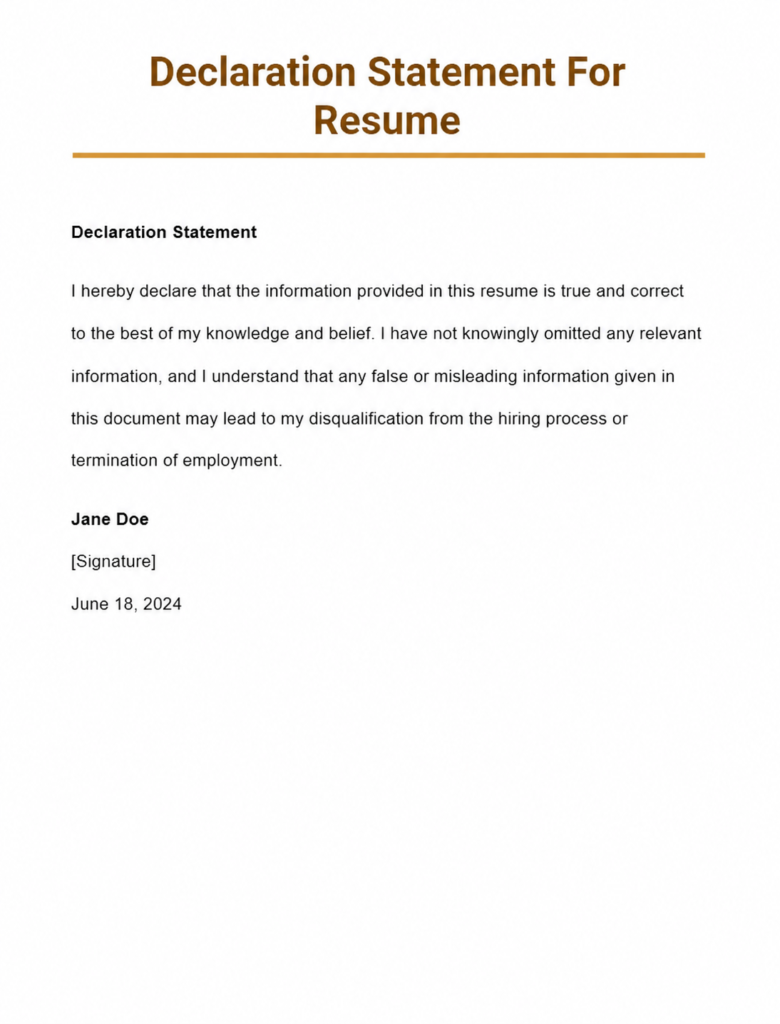
What Is a Declaration for Resume?
A declaration for resume is a formal statement placed at the end of a resume that confirms all the information provided by the candidate is true and accurate to the best of their knowledge.
It serves as a written assurance to employers that the details regarding qualifications, work experience, skills, and personal information are genuine.
Why Is a Declaration Important in a Resume?
A declaration adds an extra layer of professionalism and trustworthiness to your resume.
Employers value honesty and transparency during the hiring process. Including a declaration demonstrates your confidence in the information you have shared and your willingness to stand by it.
Benefits of Including a Resume Declaration
- Shows professionalism
- Confirms the authenticity of information
- Builds employer trust
- Demonstrates accountability
- Strengthens formal job applications
- Often required for government and public sector jobs
- Commonly used in academic and international applications
While many private companies no longer require declarations, they remain relevant in specific industries and regions.
Is a declaration necessary in a resume?
One question that people who are looking for a job often ask is if they have to include a declaration.
The simple answer
No you do not have to include a declaration in resumes nowadays.
However there are times when including a declaration, in your resume can be helpful.
When You Should Include a Declaration
Consider adding a declaration if you are applying for:
- Government jobs
- Public sector positions
- Academic institutions
- Educational organizations
- International job applications
- Internships requiring formal documentation
- Jobs that specifically request a declaration
When You Can Skip It
You may not need a declaration for:
- Most private-sector jobs
- Startup positions
- Technology companies
- Creative industries
- Modern one-page resumes
Always review the job description to determine whether a declaration is expected.
What Should a Resume Declaration Include?
A professional declaration should be simple, concise, and formal.
Typically, it includes:
- A statement confirming the information is true
- Your name
- Date (optional)
- Place (optional)
- Signature (for printed resumes)
Standard Resume Declaration Format
A resume declaration generally appears at the bottom of the document after all other sections.
Example structure:
Declaration
“I hereby declare that the information provided above is true and accurate to the best of my knowledge and belief.”
Name: Your Full Name
Date: DD/MM/YYYY
Place: City Name
Best Declaration Examples for Resume
Choosing the right declaration can make your resume look more professional.
Example 1: Simple Declaration
I hereby declare that the information provided above is true and correct to the best of my knowledge and belief.
Example 2: Professional Declaration
I certify that all the information mentioned in this resume is accurate and complete. I take full responsibility for the authenticity of the details provided.
Example 3: Formal Declaration
I solemnly declare that the information furnished in this resume is true, complete, and correct to the best of my knowledge and belief.
Example 4: Declaration for Freshers
I hereby declare that the above-mentioned details are true and accurate to the best of my knowledge. I understand that any discrepancy may affect my employment opportunities.
Example 5: Declaration for Experienced Professionals
I affirm that all information presented in this resume accurately reflects my qualifications, professional experience, and achievements.
Declaration for Resume for Freshers
Fresh graduates often wonder whether they need a declaration.
Since freshers may have limited work experience, a declaration can help reinforce credibility.
Sample Declaration for Freshers
I hereby declare that the information provided in this resume is true and accurate to the best of my knowledge. I take responsibility for the correctness of the details mentioned above.
This format is simple, professional, and widely accepted.
Declaration for Resume for Experienced Candidates
Professionals with extensive work experience can use a slightly more formal declaration.
Sample Declaration for Experienced Professionals
I certify that the information contained in this resume is accurate and complete. I understand that any false information may lead to the rejection of my application or termination of employment.
This version highlights professionalism and accountability.
Where Should You Place the Declaration in a Resume?
The declaration should always appear at the end of the resume.
Recommended Order
- Contact Information
- Professional Summary
- Skills
- Work Experience
- Education
- Certifications
- Achievements
- Declaration
Placing it at the end ensures that it serves as a final confirmation of the information presented.
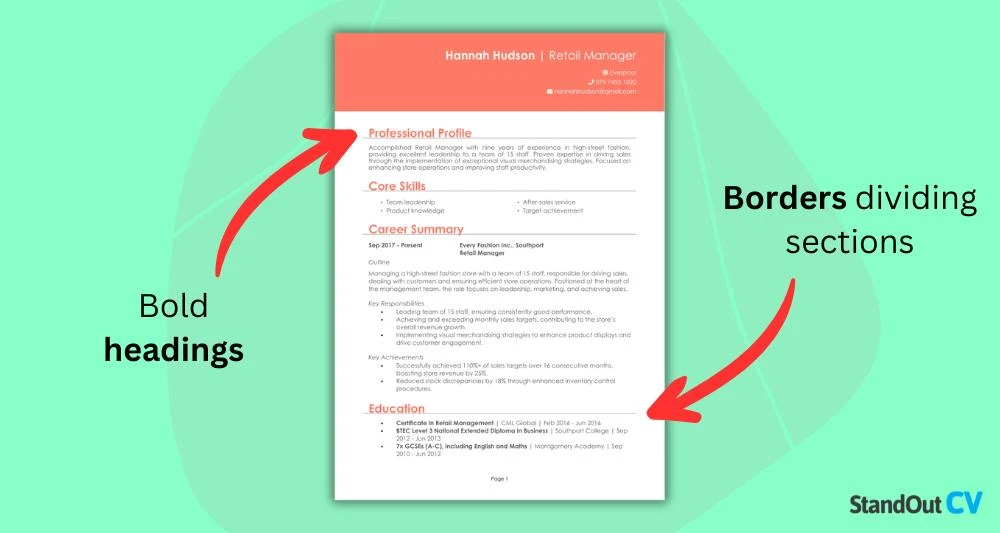
Common Mistakes to Avoid
Many job seekers make unnecessary errors when adding a declaration.
Writing an Overly Long Declaration
Keep it concise and professional.
Using Informal Language
Avoid casual wording and maintain a formal tone.
Including Unnecessary Details
A declaration should not include personal opinions or unrelated information.
Forgetting Your Name
Always add your name below the declaration if required.
Adding a Declaration When Not Needed
For highly condensed modern resumes, unnecessary sections can take up valuable space.
Resume Declaration vs Resume Objective
Many people confuse these two sections.
Resume Objective
A resume objective explains your career goals and what you hope to achieve in the position.
Resume Declaration
A declaration confirms the authenticity of the information in your resume.
Both serve different purposes and should not be used interchangeably.
How Recruiters View Resume Declarations
Recruiters generally focus on qualifications, skills, achievements, and experience before looking at a declaration.
However, in formal recruitment processes, a declaration can:
- Add credibility
- Demonstrate professionalism
- Show attention to detail
- Meet application requirements
A declaration alone will not secure an interview, but it can contribute to a polished and complete application.
Expert Tips for Writing an Effective Resume Declaration
To create a strong declaration:
- Keep it short and clear
- Use professional language
- Place it at the end of the resume
- Avoid complicated wording
- Ensure all resume information is accurate
- Update the declaration if required by employers
- Follow industry-specific requirements
A declaration should support your resume, not distract from it.
Conclusion
Conclusion A resume declaration is a statement that says the information in your resume is true. It is not needed for every job. Often used for government, academic and formal jobs.
The key is to keep it short, clear and professional. A good declaration shows you are honest. Helps build trust with employers. It also makes your resume look complete.
Before you submit your resume check if a declaration is required. If so include one to show you are committed to providing information.
A professional declaration along, with a structured resume that highlights your skills, experience and qualifications can make your job application stronger. It can also help you stand out to recruiters.
Frequently Asked Questions
What is a declaration in a resume?
A declaration is a statement confirming that all information provided in the resume is true and accurate to the best of the applicant’s knowledge.
Is a declaration necessary in a resume?
No, it is not mandatory for most private-sector jobs. However, it is often recommended for government, academic, and formal applications.
Where should a declaration be placed in a resume?
A declaration should be placed at the end of the resume after all other sections.
What is the best declaration statement for a resume?
One common format is:
“I hereby declare that the information provided above is true and accurate to the best of my knowledge and belief.”
Should freshers include a declaration in their resume?
Freshers can include a declaration, especially when applying for government jobs, internships, or formal recruitment programs.
Can I submit a resume without a declaration?
Yes. Most modern companies accept resumes without declarations unless specifically requested.
How long should a resume declaration be?
A declaration should typically be one or two concise sentences.