
Buying a software product involves more than checking revenue, customers, and market share. The technology itself can change the value of the deal. Code audit services let buyers inspect the codebase before signing and spot problems that may not appear in financial or product documents.
A product can run well during a demo and still have old dependencies, weak access controls, technical debt, or a difficult architecture. These issues may stay hidden while the existing team keeps the product running. They can become much more noticeable when the new owner starts changing the system.
Why Review the Code Before Buying Software?
A software product is more than its interface and feature list. The source code determines how developers will maintain and change it.
This is important if the buyer plans to keep investing in the product. An application built around outdated frameworks or fragile integrations can require a lot of work soon after the acquisition.
A code audit answers a fairly simple question: How much technical work comes with this product?
That answer can affect the budget, team structure, and development plans after the deal.
1. Check the Overall Code Quality
The first step is to see how easy the code is to understand and change.
Reviewers usually look for:
- duplicated or overly complex code
- tightly coupled components
- inconsistent coding practices
- poorly structured modules
- dead or unused code
- weak error handling
- limited automated testing
Not every issue is serious. Older products often contain shortcuts that made sense when they were introduced.
The concern is what those shortcuts cause now. If adding a small feature means changing code in many unrelated places, the problem may be structural.
2. Look for Technical Debt
Technical debt can become the buyer’s problem after the deal.
Some debt is minor. A few outdated patterns or small refactoring tasks may have little effect on the product.
Other issues can slow development for years. The application may depend on an obsolete framework, contain duplicated business logic, or use components that are hard to replace.
A review should show:
- where the debt is concentrated
- what problems it causes
- how difficult it may be to fix
- whether it already slows development
- what remediation may involve
3. Examine Security Risks
Security problems can affect both the product and the buyer’s future obligations.
A source code review can examine authentication, authorization, input validation, session management, data handling, API security, and secrets management, helping strengthen the foundation of managed security services.
For example, the interface may prevent a user from opening a restricted page while the API does not properly enforce the same permission. A product demo would probably not expose this problem.
Dependencies should also be checked for known vulnerabilities and unsupported versions.
The severity of each finding matters. A minor issue in an isolated component is not comparable to a flaw that could expose customer information.
4. Review Third-Party Dependencies
Most applications use open-source packages, frameworks, APIs, and SDKs.
Buyers should know which components the product depends on and whether they are still supported.
An audit can identify:
- outdated libraries and frameworks
- unsupported technologies
- vulnerable components
- unnecessary dependencies
- difficult-to-replace components
- potential licensing issues
This can affect future development costs. Replacing a critical dependency may require changes across several parts of the application.
It is also useful to see how deeply these components are embedded. Removing one package may take an hour in one project and several months in another.
5. Understand the Architecture
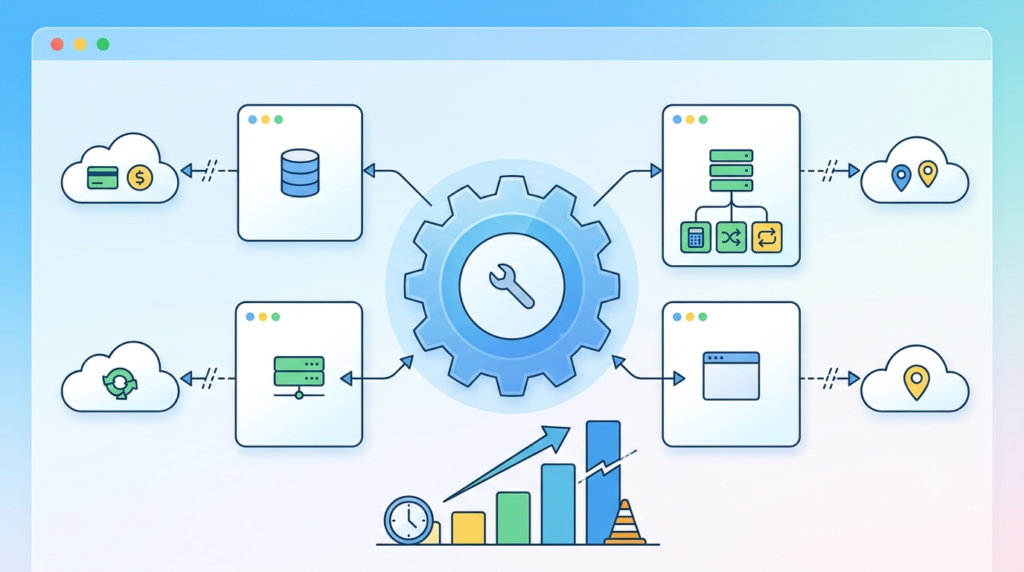
Good code does not automatically mean good architecture.
An audit should examine how the main parts of the application work together.
Key questions include:
- Are components clearly separated?
- Are responsibilities distributed logically?
- Are modules too dependent on each other?
- Is business logic concentrated in a few components?
- Are external integrations tightly coupled to the core system?
- Are there technical limits to future growth?
Architecture matters if the buyer wants to expand the product.
A system may handle its current workload without trouble but struggle with higher traffic or a larger feature set. Finding that limitation before the acquisition gives the buyer time to account for it.
6. Verify Intellectual Property and Code Ownership
Technical due diligence should also cover code ownership.
Buyers need to know where the code came from and whether the seller has the right to use and modify it.
The review may cover:
- proprietary code
- open-source components
- commercial libraries
- contractor-developed code
- third-party integrations
- software licenses
- ownership documentation
Unclear ownership can cause problems after the acquisition. For example, code written by an outside contractor may not give the seller all the rights the buyer expects.
Licensing terms also matter when a product uses many open-source components.
Which Findings Should Concern Buyers Most?
Not every finding deserves the same attention. The more serious issues usually have a clear business impact and are expensive or difficult to fix.
Buyers should pay close attention to:
- serious security vulnerabilities
- unsupported core technologies
- major architectural limitations
- significant technical debt
- unclear intellectual property ownership
- fragile integrations
- poor testing of critical business functions
- dependencies that are difficult to replace
Context matters here. An old library used in an internal reporting tool is one thing. An unsupported component handling customer payments is another.
How Audit Findings Can Affect the Deal
An audit does not automatically mean the buyer should walk away. Some problems are easy to fix. Others may require months of development work.
The findings can affect:
- the purchase price
- contractual protections
- post-acquisition investment
- modernization priorities
- staffing plans
- development timelines
For example, an outdated framework may not be a reason to reject the deal. But if replacing it will take months of development, that cost should be part of the buyer’s calculations.
DevCom, for example, can use this type of review to give buyers a clearer picture of the codebase and the work it may require after the acquisition. The point is to know about major issues before taking ownership.
Conclusion
A software acquisition can look attractive while hiding technical problems. Code quality, dependencies, architecture, security, and intellectual property all affect the condition of the product.
A focused code audit gives buyers a closer look at these areas. It can show where the product is stable, where development may become difficult, and where extra investment is likely to be needed.
It also helps separate urgent problems from routine technical cleanup. That distinction is useful when planning the first months after an acquisition.
The findings can shape the technical roadmap before the new team starts making changes. They can also give the buyer a better idea of which specialists and resources will be needed.
Most importantly, the review gives buyers facts they can use during the deal. The goal is not to find perfect code. The goal is to understand the codebase well enough to judge its risks, costs, and limitations before taking ownership.